
The 13e arrondissement of Paris is a mostly residential area. The arrondissement is named Gobelins after the Gobelins Manufactory, a historic tapestry factory that supplied the monarchy since Louis XIV.
A bit of exploring in the area uncovered a small village that got absorbed into Paris, as well as a growing business district full of interesting contemporary architecture. Both were such a departure from Haussmannian Paris that we often wondered if we were still in Paris.
A quaint village in the heart of Paris
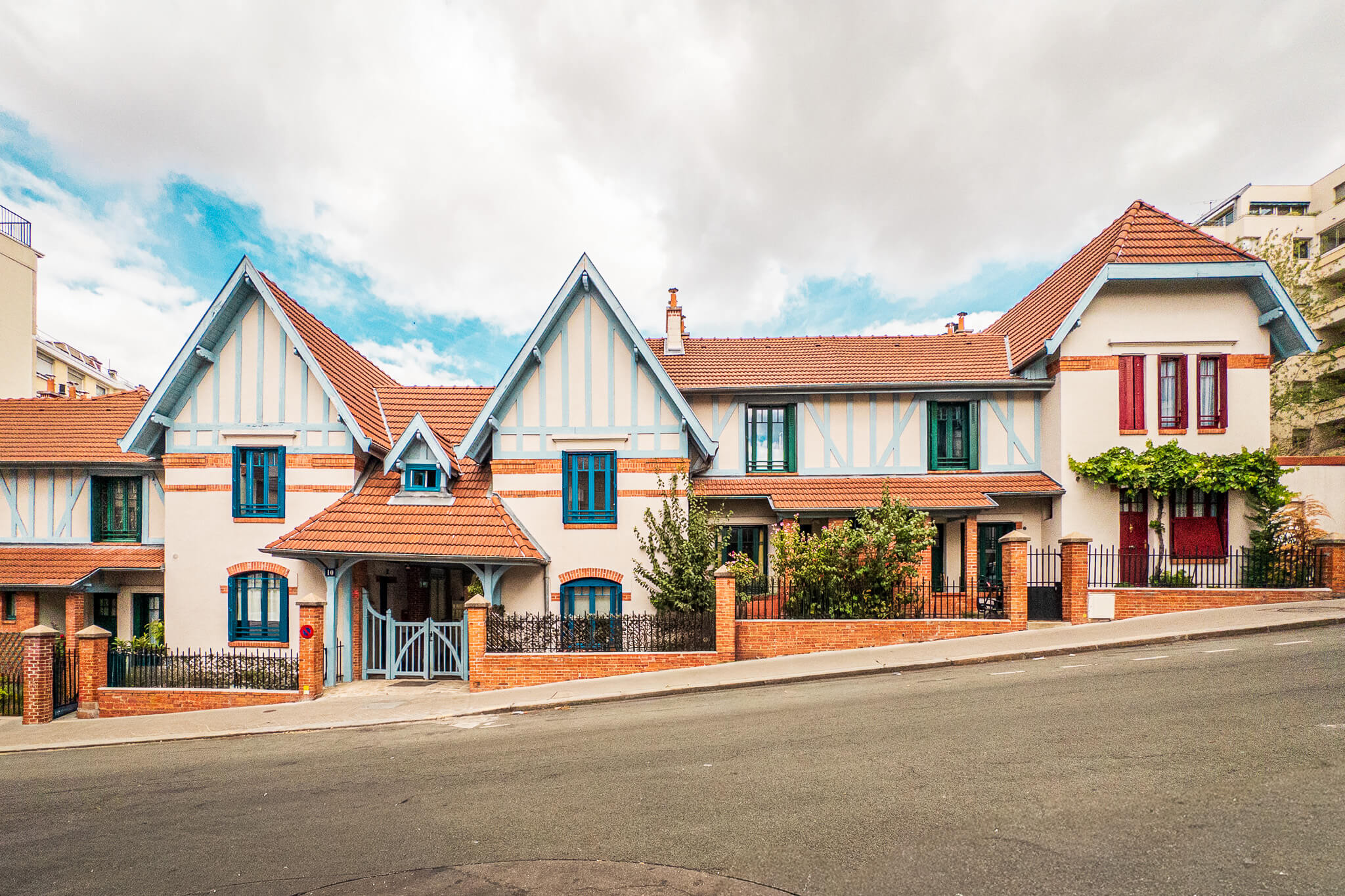
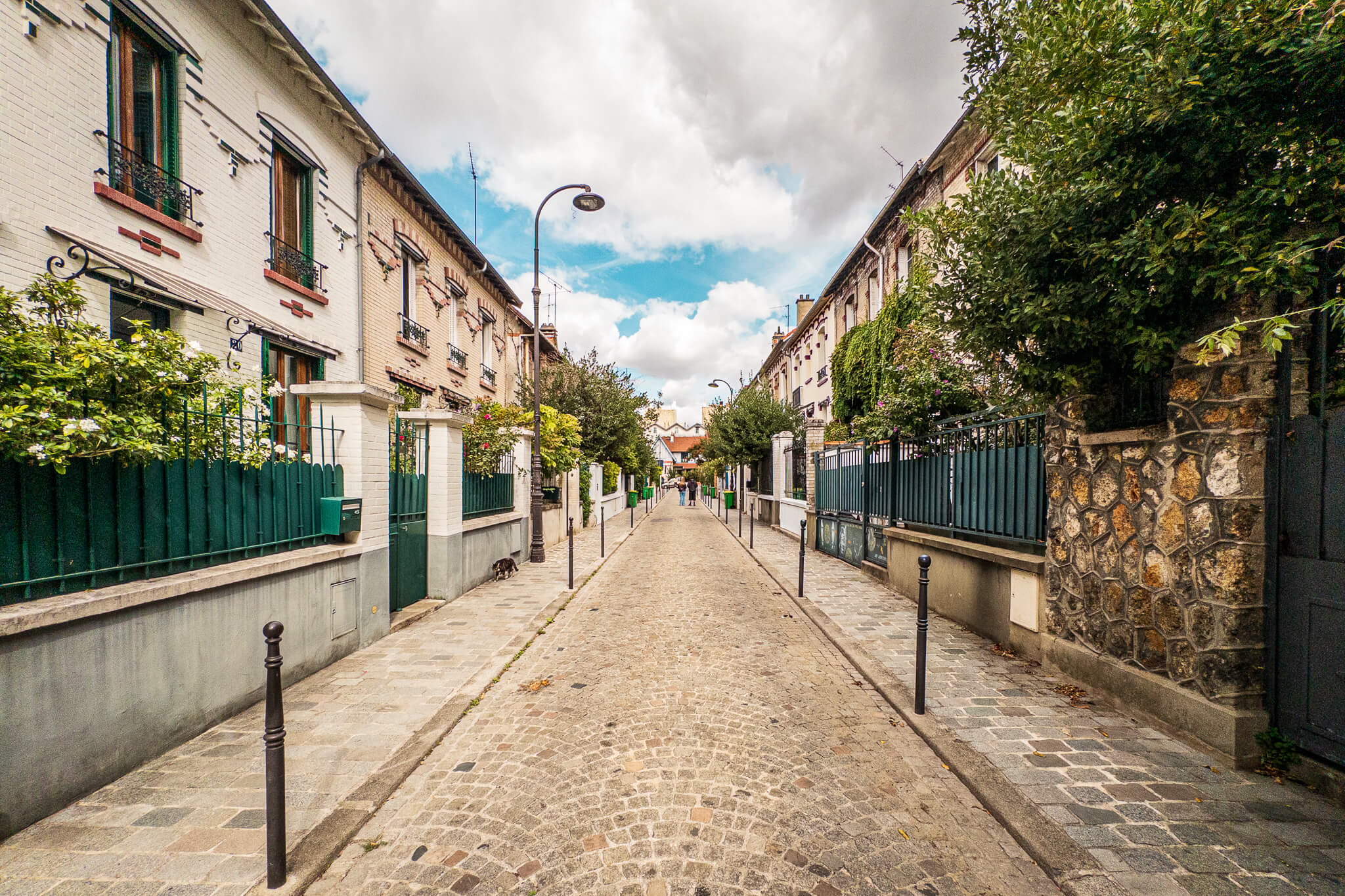
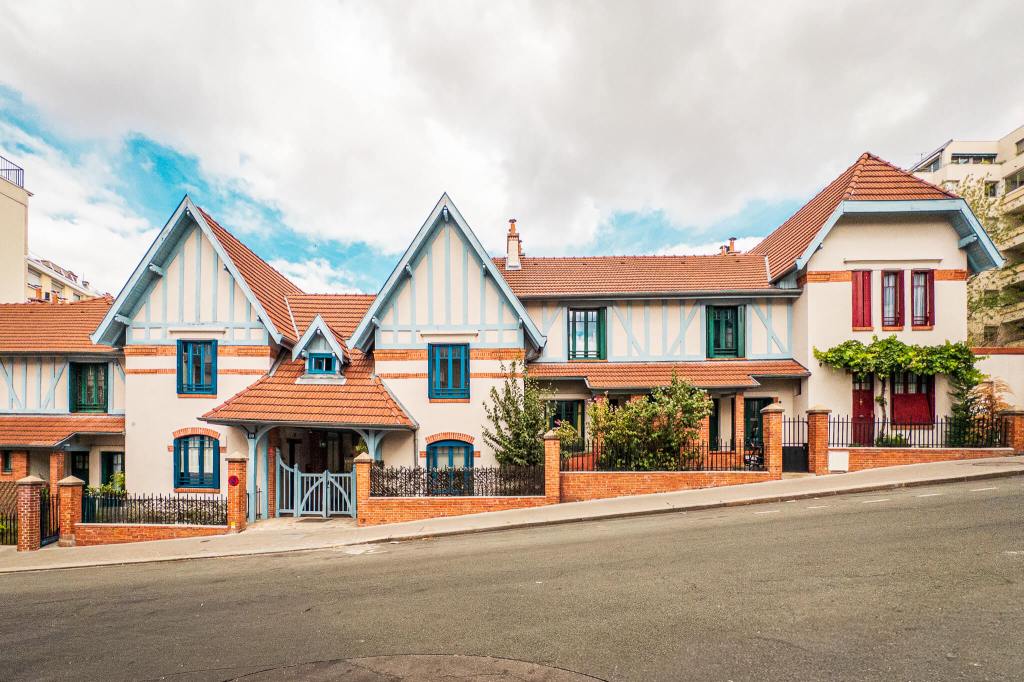
Walking through la Butte-aux-Cailles, it’s easy to forget you’re still in Paris. The old village is built on a hill and features climbing and winding cobblestone streets, many lined with townhouses from 1912. One of the most iconic is known as Petite Alsace, a communal housing block comprising 40 townhouses around a common courtyard and garden, made of wood and brick in an Alsatian style to keep the construction affordable.
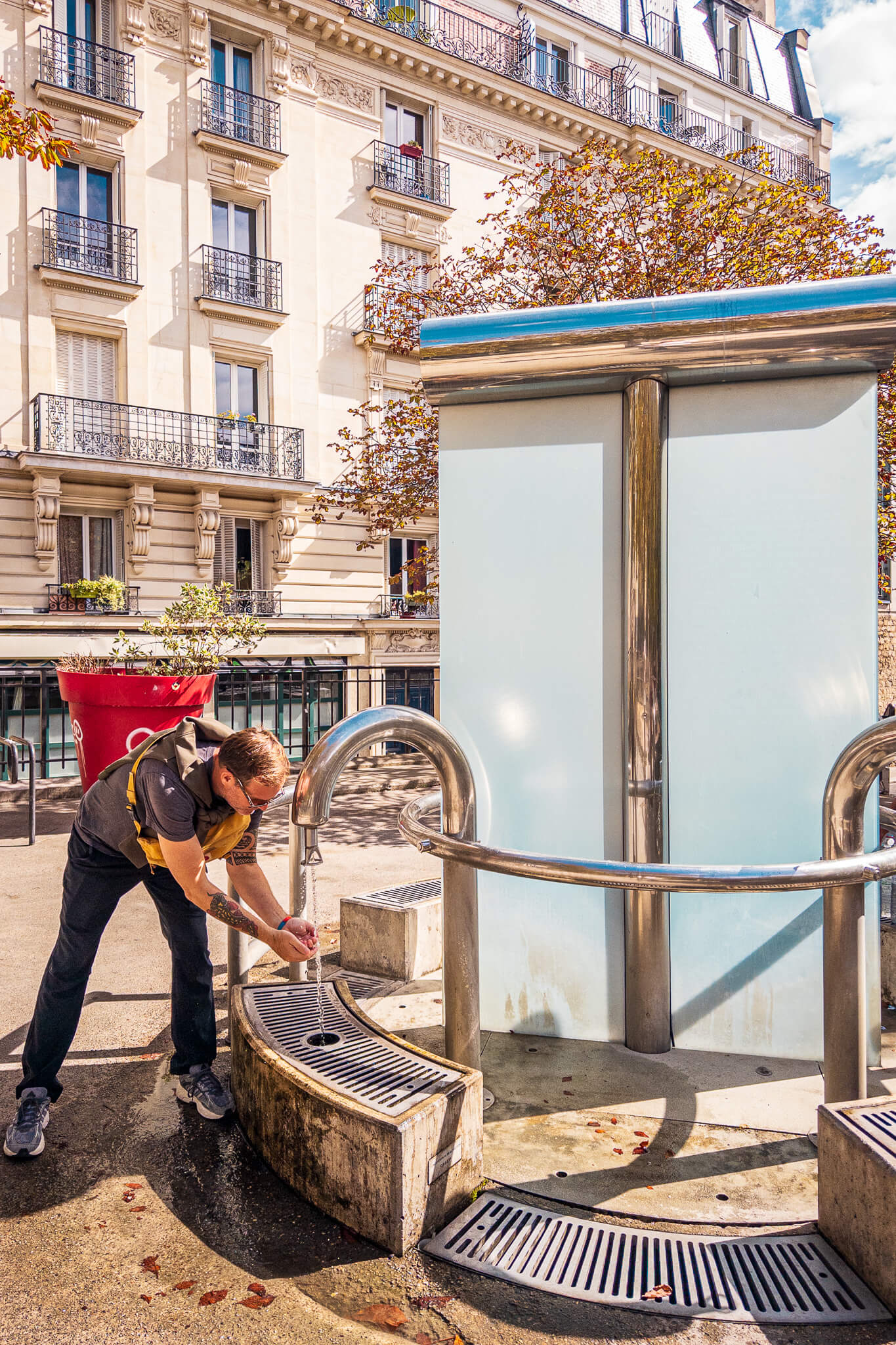
The central street at the peak of the hill is lined with lovely neighbourhood cafés and restaurants. The main square has an artesian well dating to 1904 (nowadays with a very modern drinking fountain) that taps into a pressurized aquifer 600 metres below the surface, delivering 18ºC potable water rich in minerals. Locals come by with water jugs to fill.
The artesian well also feeds the Butte-aux-Cailles swimming pool, one of the oldest swimming pools in Paris, with an unusual red brick Art Nouveau building dating to 1922-1924. Since 2016, the pool building houses a data centre in the basement, with a heat exchange system to cool the servers and heat up the pool water.
A massive library and growing business district
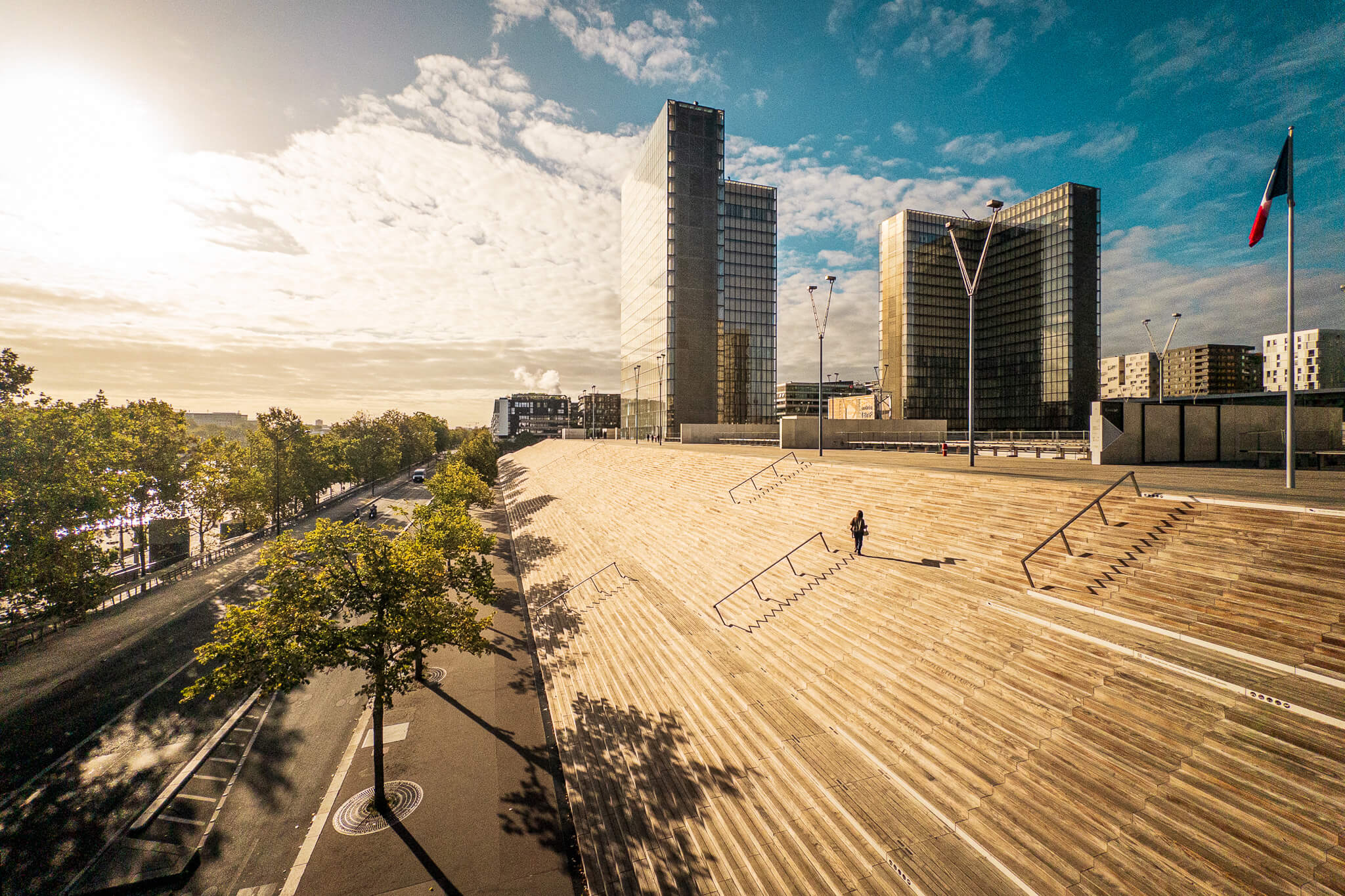
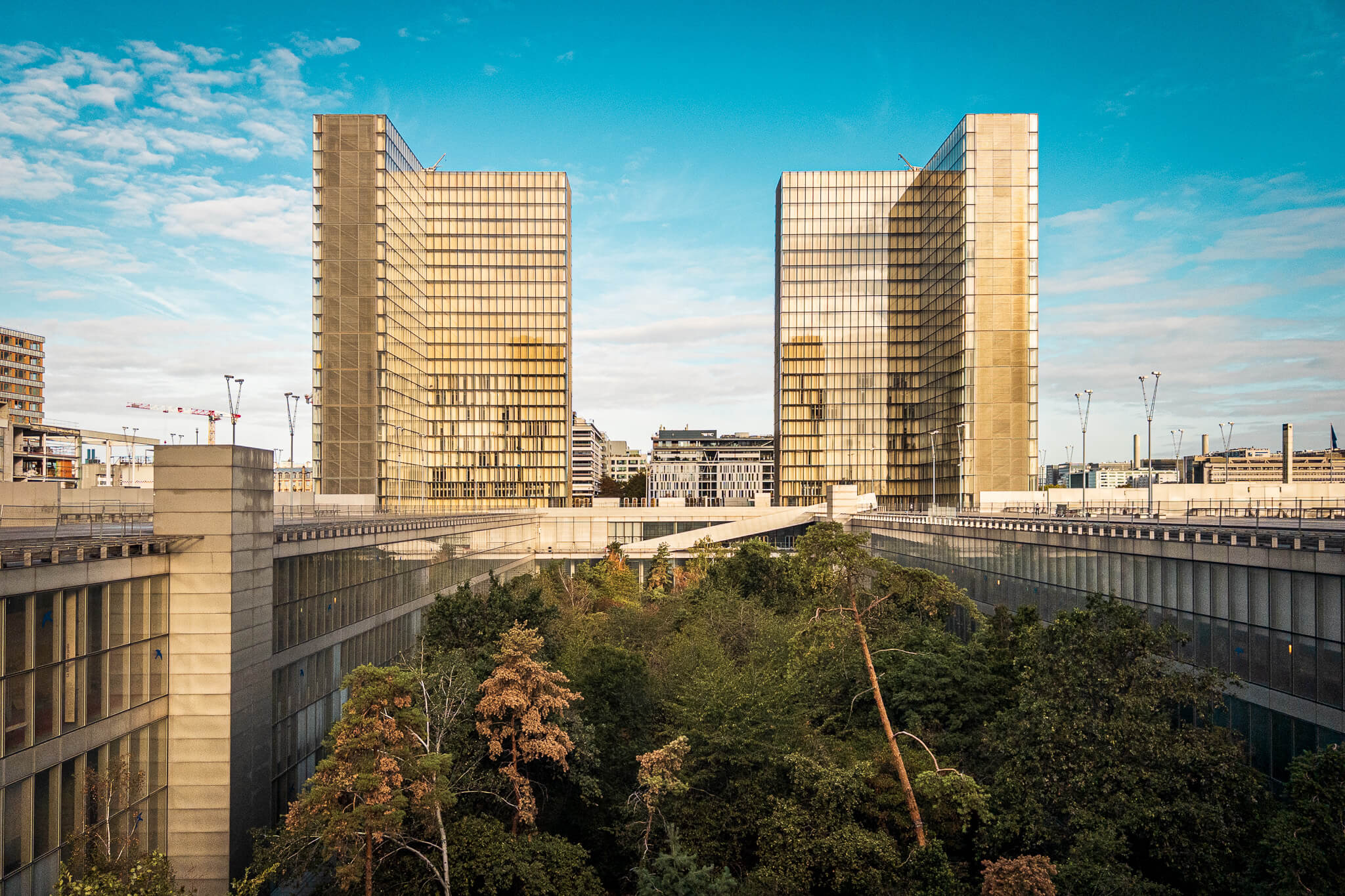
The arrondissement contains the modern François-Mitterrand site of the Bibiothèque nationale de France. (We previously visited the Richelieu site with the stunning Salle Ovale.) The François-Mitterrand is absolutely massive, owing to the fact that the national library contains a copy of all material publicly published or distributed in France (by law, publishers and producers must submit copies to the library). The François-Mitterrand site was inaugurated in 1996 with four matching L-shaped towers forming the corners of the site, all connected through underground levels, and a central forested courtyard. The side facing the Seine river has a massive open staircase.
A curious train station that launched a new business district
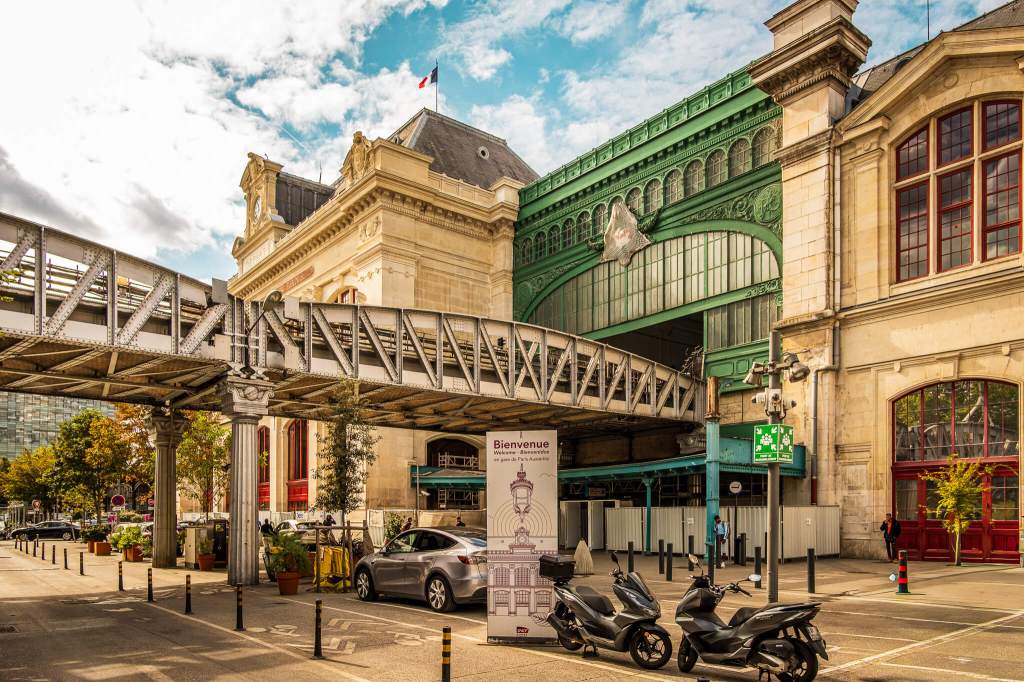
Gare d’Austerlitz originally opened in 1840 as Gare d’Orléans. The monumental glass roof was built in the 1960s and is the largest glass train shed roof in Paris at over 50 metres wide and 280 metres long. During the Siege of Paris in 1870, the station was used as a workshop for making gas balloons. In 1900, the train lines were extended further into Paris with the new Gare d’Orsay acting as the terminus until it closed in 1939 and Gare d’Austerlitz once again became the terminus.
In 1906, the extension of the metro line 5 over the Seine was incorporated into Gare d’Austerlitz in a rather curious way. The elevated subway line literally pierces the train station on one side and leaves on the other, with the metro station located within the roof of the train station.
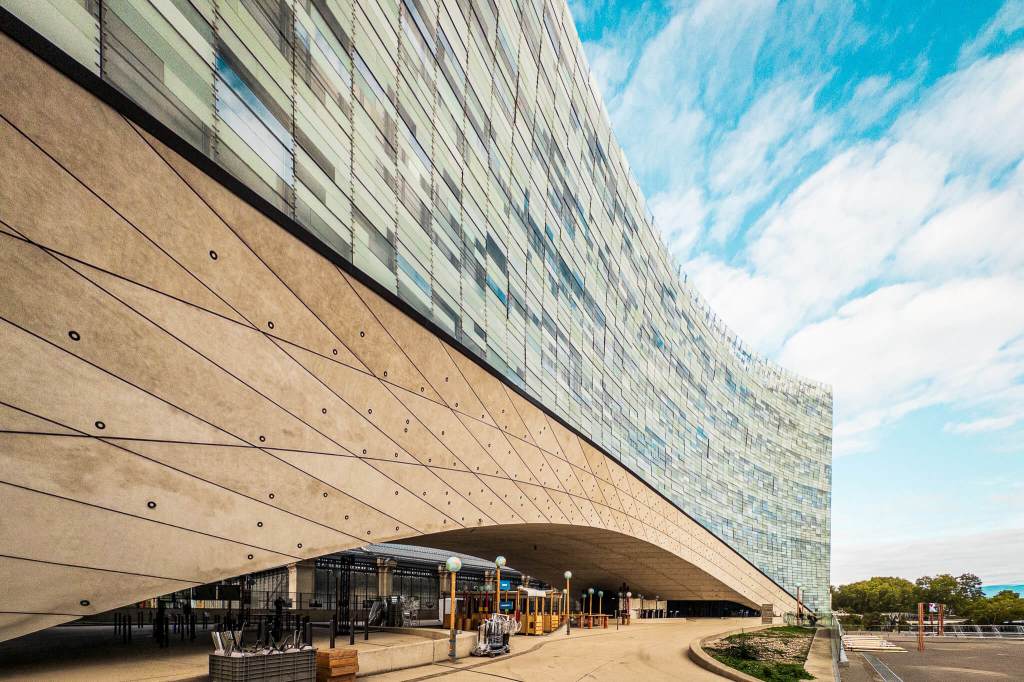
The area surrounding Gare d’Austerlitz has been seeing significant development over the last 30 years with the construction of a new business district called Paris Rive Gauche. The new buildings are replacing former railway yards, warehouses and industrial complexes, and feature plenty of interesting contemporary architecture, including the headquarters for Groupe Le Monde.
Exploring the 13e arrondissement of Paris was a refreshingly calm day, away from the tourist crowds. It was nice to see a bit of the real, everyday Paris, from an early 20th-century village to a contemporary new business park.


Leave a comment