
The 12e arrondissement of Paris hides a lot of history and several treasures that most tourists overlook. At the same time, the area is home to many urban renewal projects, so we also have a lot of new infrastructure (some good, some less good).
A modern opera house
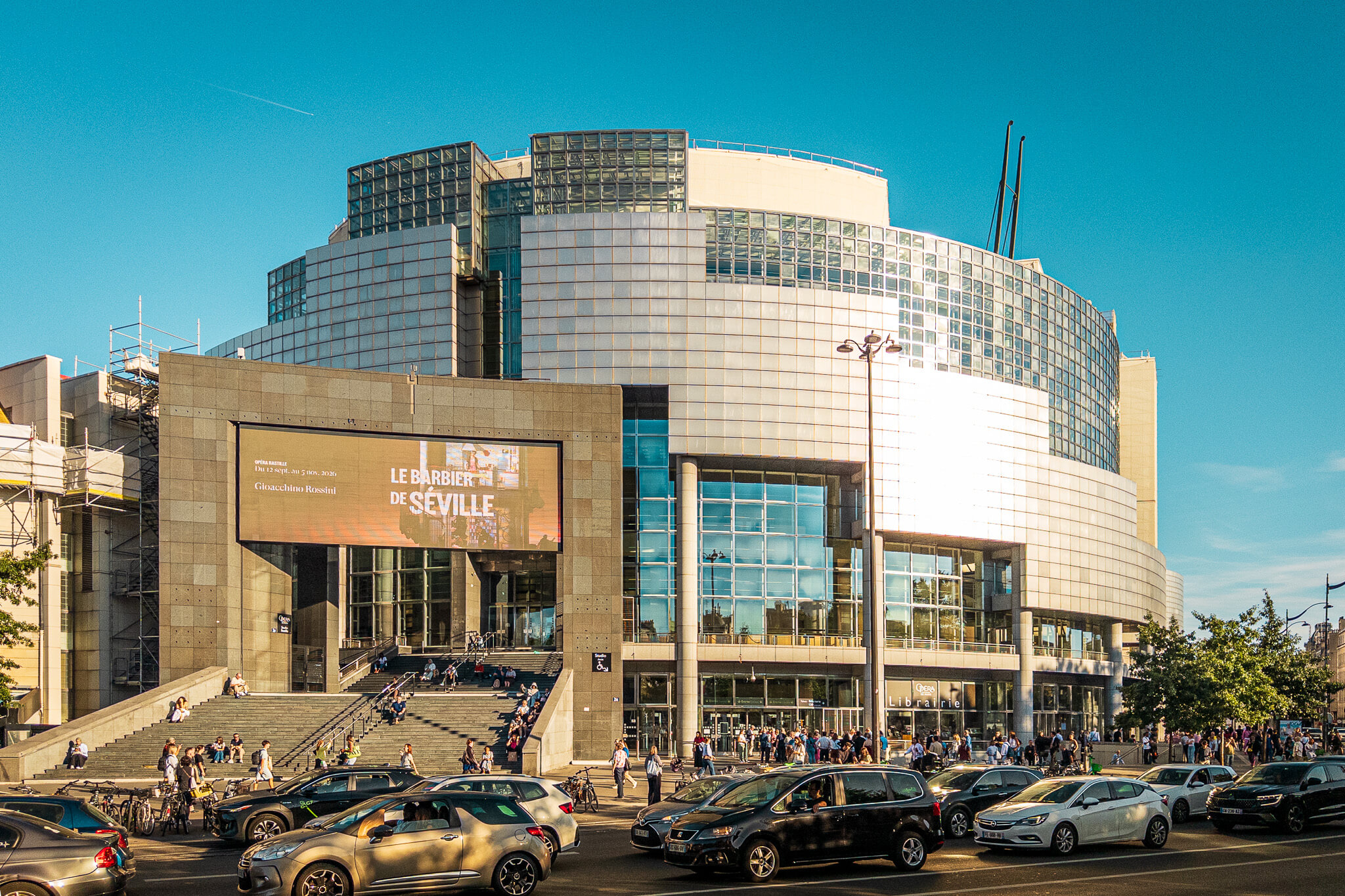
The Opéra Bastille is the modern opera house of Paris. As mentioned with the 11e arrondissement, Opéra Bastille is located at Place de la Bastille, where the Bastille prison once stood until it was stormed and destroyed during the revolution. The prison was replaced with a square, and later a train station. The demolition of the train station created room for the opera house.
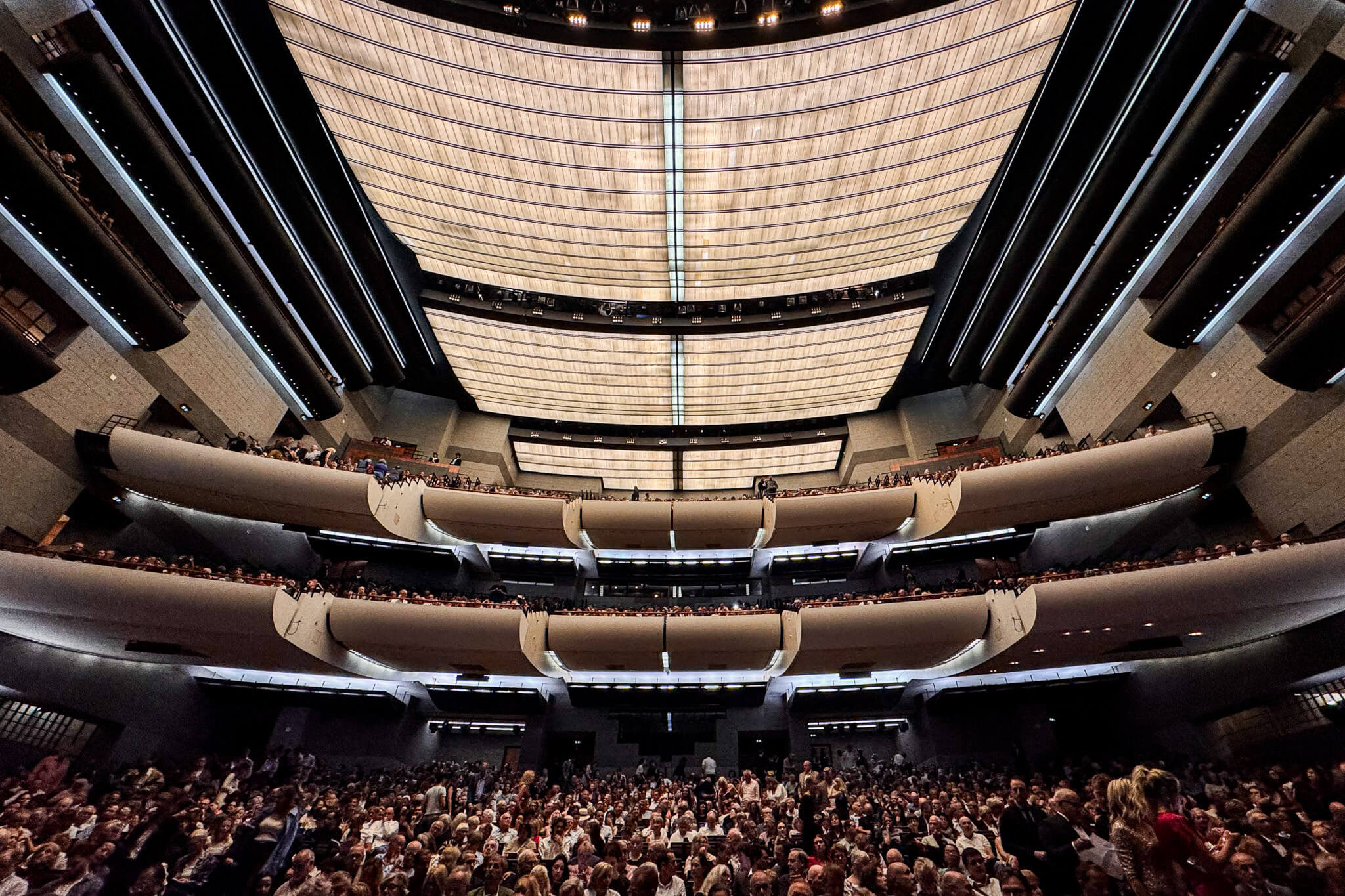
Opened in 1989, Opéra Bastille allows the prestigious Opéra de Paris to deliver world-class, modern opera productions that were no longer possible in the older and smaller Palais Garnier. While it doesn’t have the romantic charm of a historic opera house, it’s a destination for some of the best opera performances in the world, and is currently Europe’s largest opera house with over 2,700 seats. The modern interior offers excellent acoustics and comfort.
We saw a performance of Il Barbiere di Siviglia and it was spectacular in every way.
Repurposing an old railway
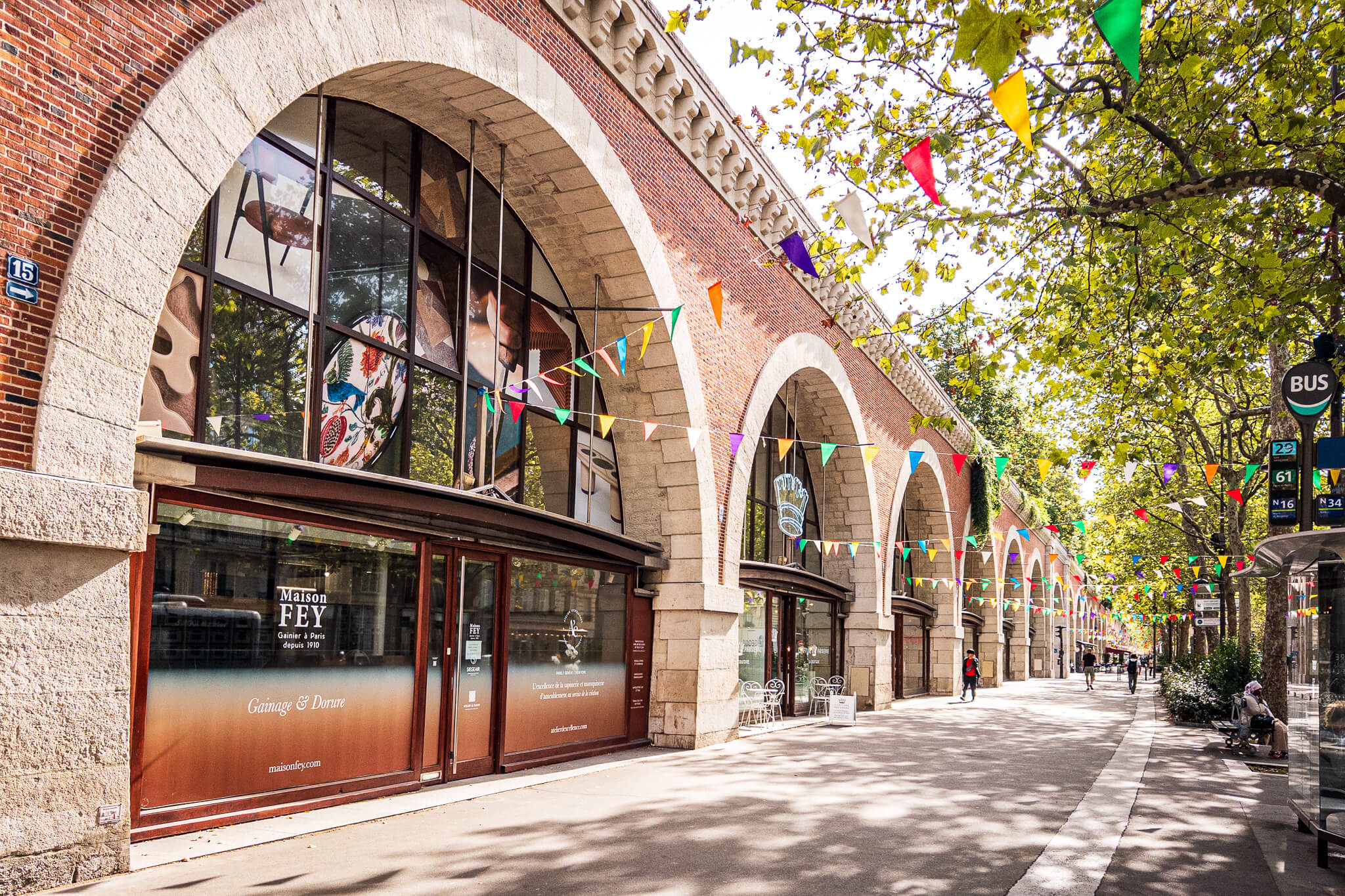
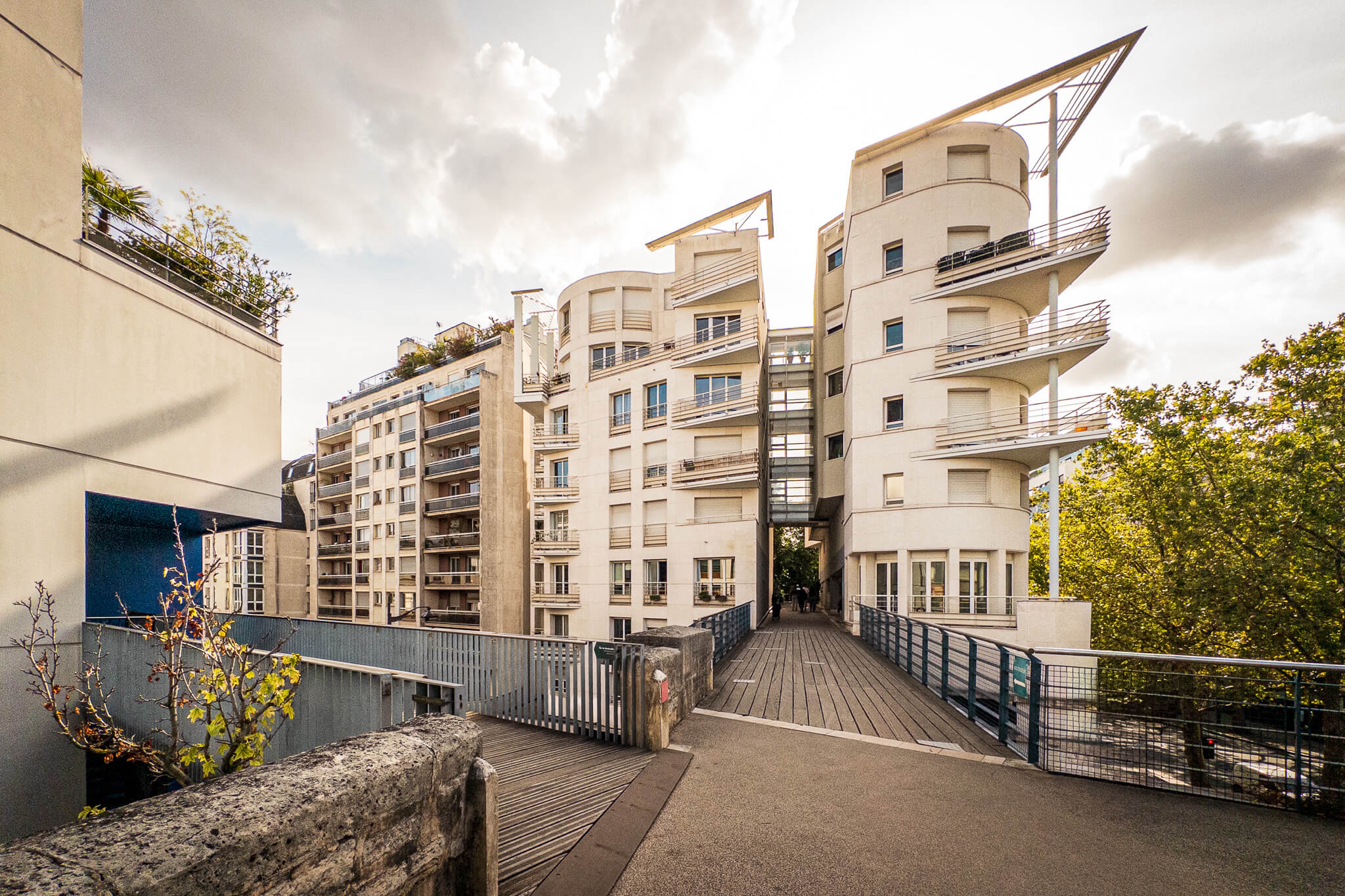
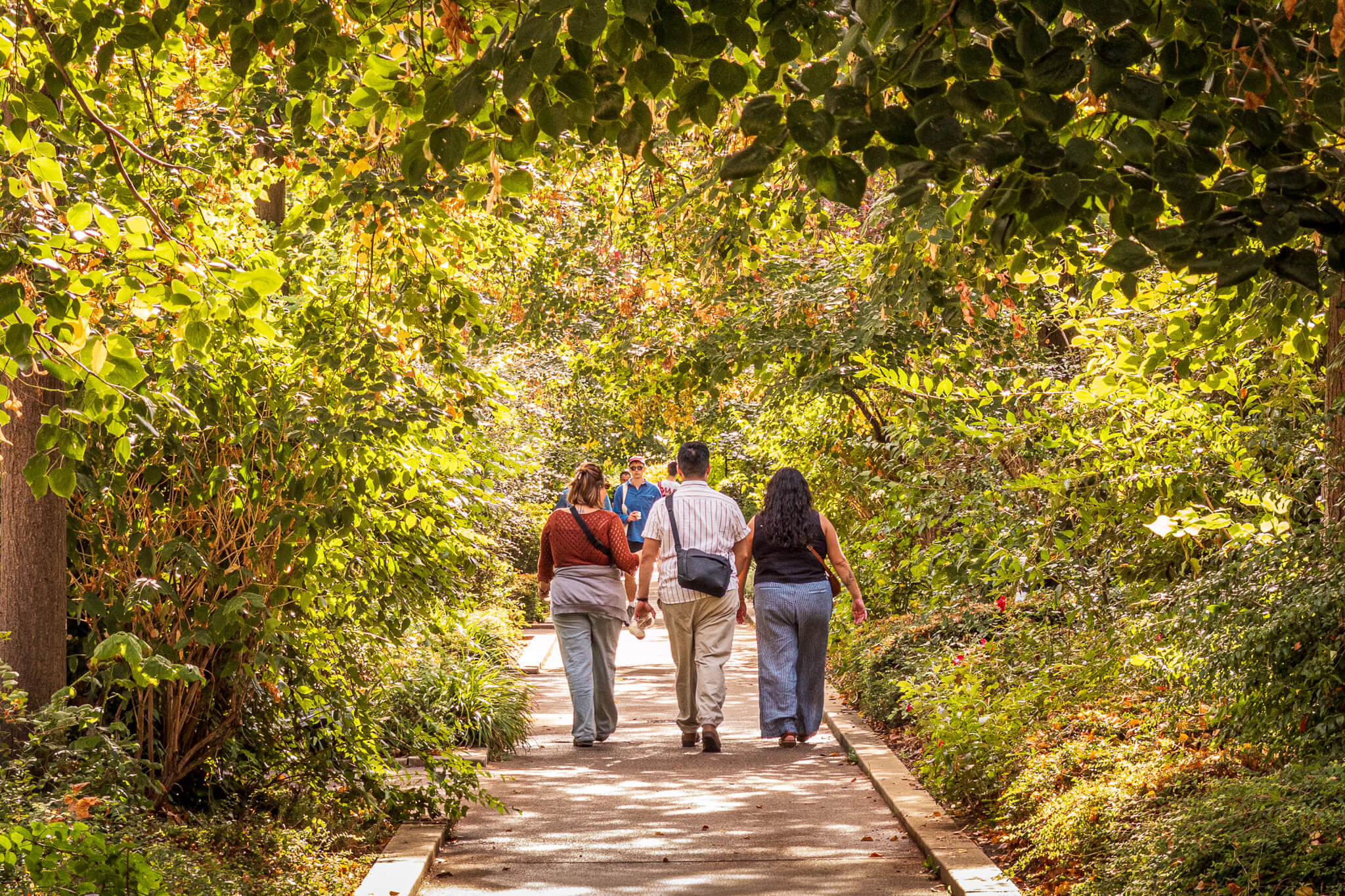
When they demolished Gare de la Bastille to create the opera house, they also had some obsolete railway. That space was turned into a 4.5 km long park, Coulée verte René-Dumont which opened in 1993. Since the section closest to La Bastille was raised about 10 metres off the ground, we have a beautiful elevated park for about 1.5 km. Further east, the park returns to ground level, and we even have sections in tunnels.
The space under the arches of the elevated section was turned into workshops and storefronts for skilled artisans, called Viaduc des Arts. We were expecting to find a few arts and crafts shops, but instead we were blown away with some serious jewelry designers, musical instrument fabricators making violins, harps, clarinets and brass instruments, glass blowers, and furniture and housewares makers. There are also a few cafés and restaurants. It is very much worth a detour to check out the Viaduc des Arts.
One of the oldest markets in Paris
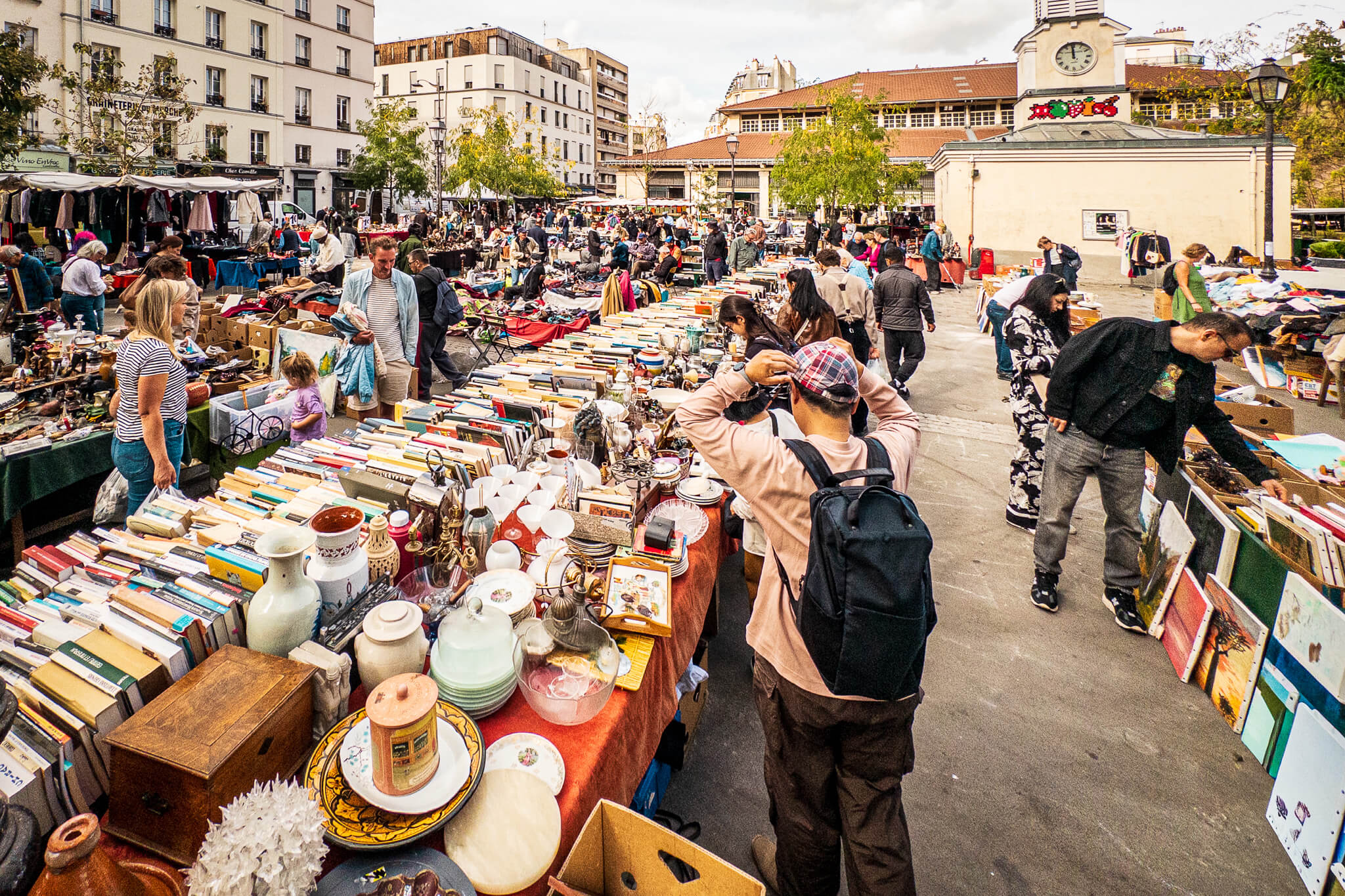
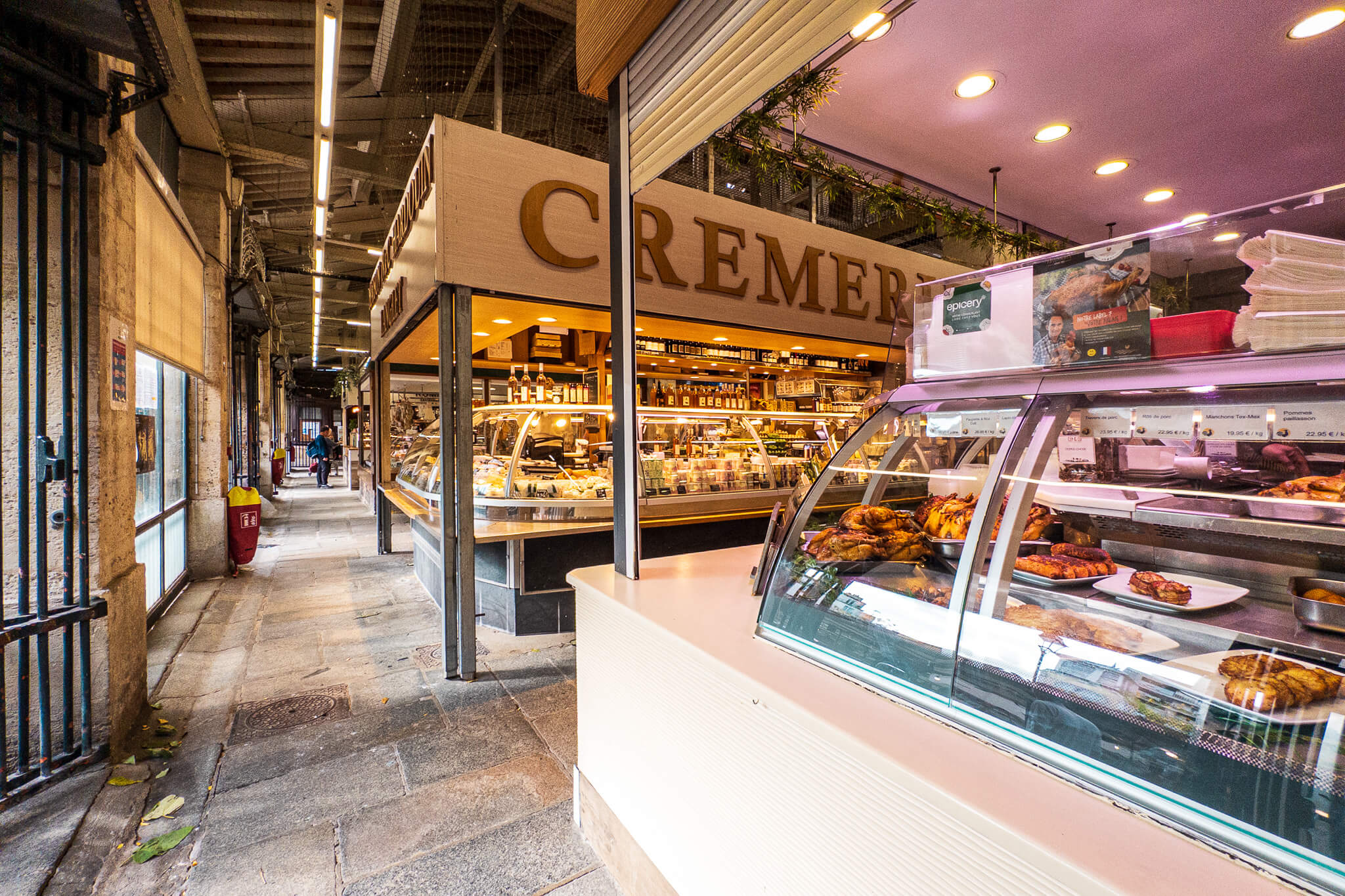
Marché d’Aligre is a lively market, with both open-air and covered sections. The covered market (known as Marché Beauvau) dates to 1779 with the present building dating to 1843. It’s open every day of the week except Mondays. Unlike most markets in Paris, Marché d’Aligre has a large section dedicated to second-hand vendors selling a range of used, vintage and antique items from books to housewares to clothes and jewelry. Some items are organized nicely while others are in boxes to rummage through. There’s also an outdoor produce market, and the covered market has stunning meat, fish and cheese vendors around a central fountain.
A wine market turned park
The 12e arrondissement was the location of the former wine warehouse and market for Paris, once the largest wine market in the world. A law from 1905 required all larger wine merchants to have a storefront at the Bercy warehouse and market. However, much of the wine sold here was blended on site and not necessarily of the best quality, so demand for Bercy wine declined in the mid-20th century and sections of the property were sold off starting in 1979 and the last cellars destroyed in 1993.
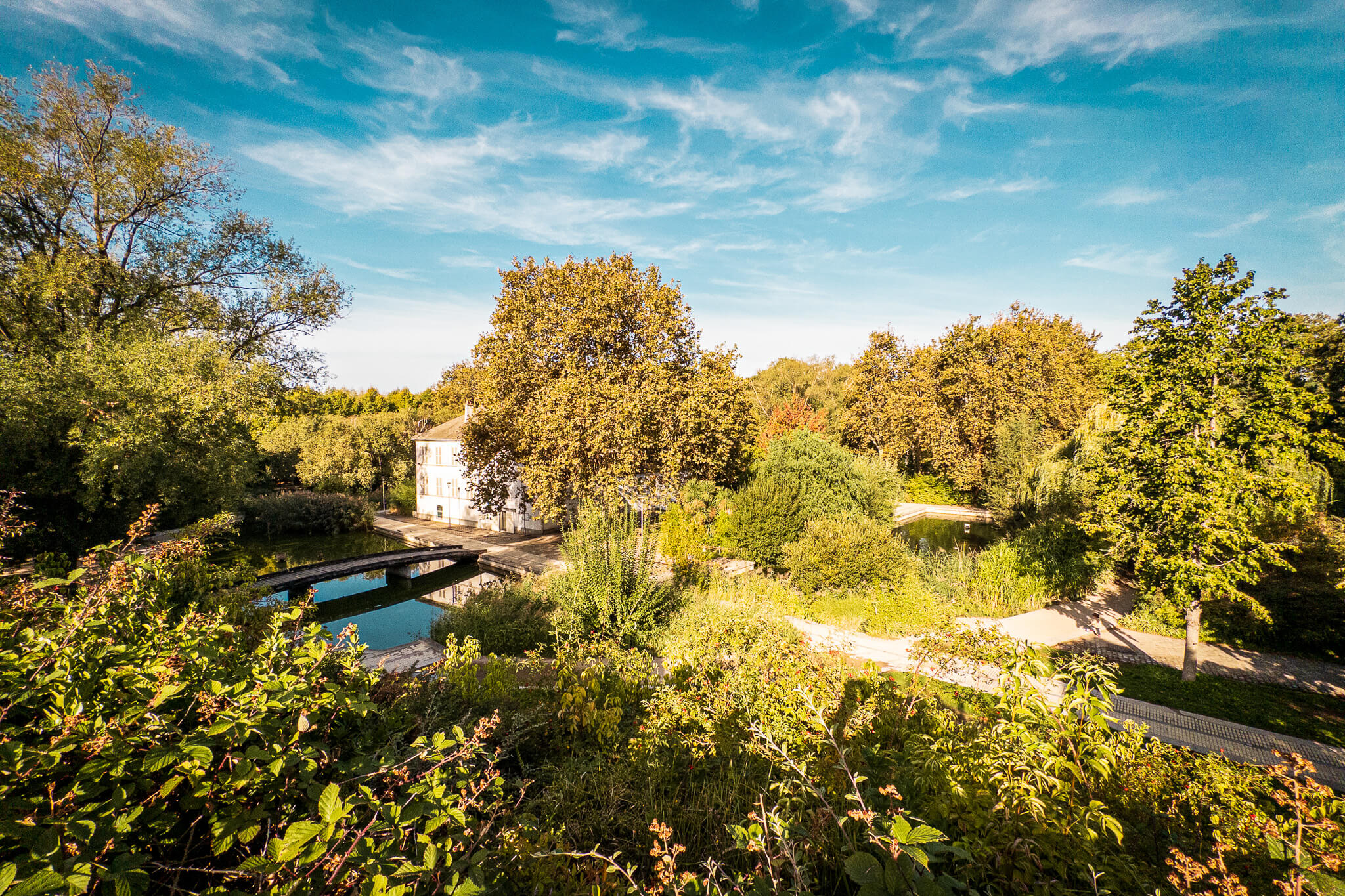
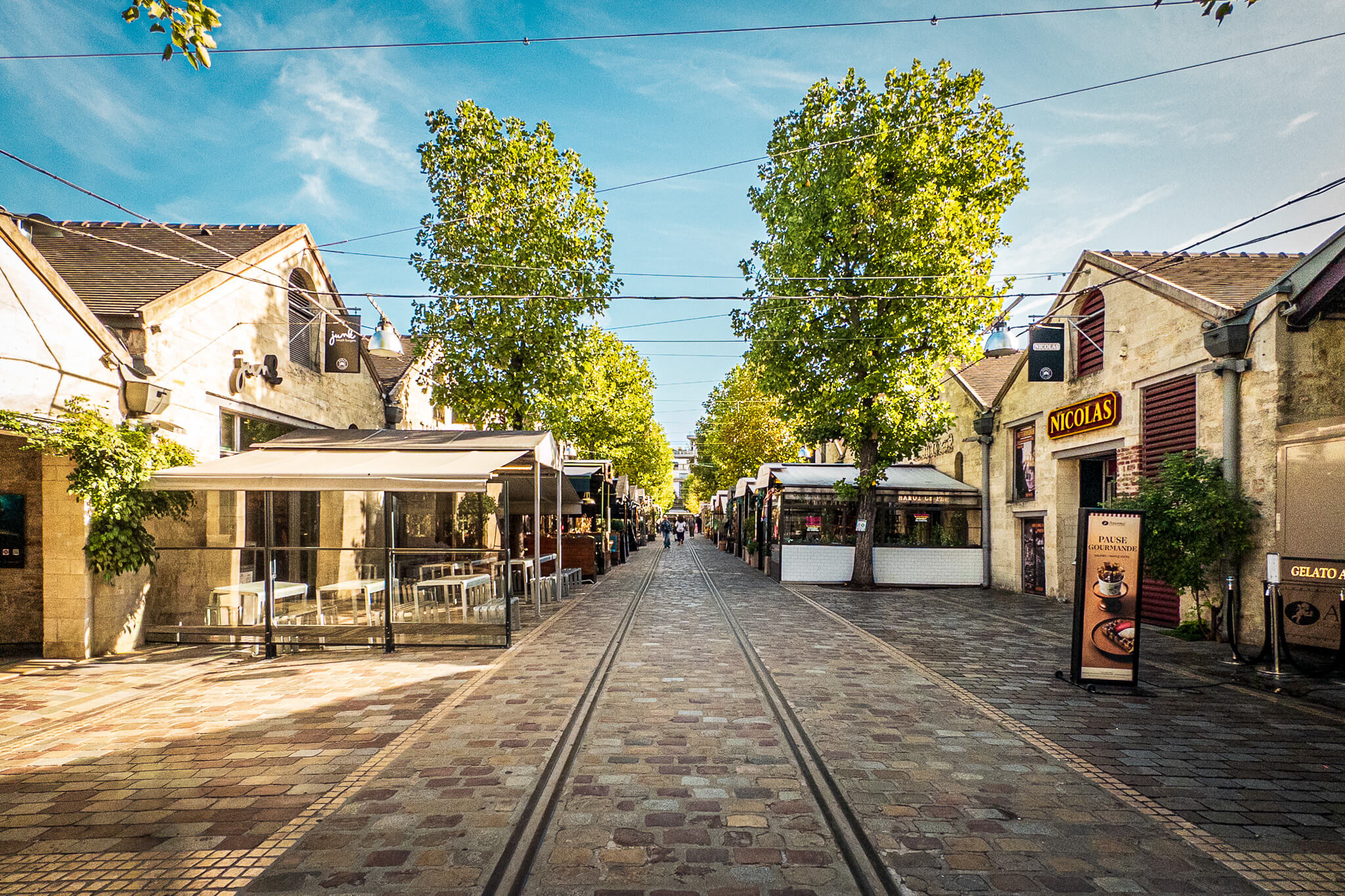
The area was developed into Parc de Bercy in the mid-1990s with a few railway tracks and pavilions to recall the wine warehouse heritage. A large sports arena/concert venue occupies the very western end, followed by open lawn areas, and more formal gardens to the east. The gardens were a bit overgrown and the spaces were a bit enclosed, so it isn’t among our favourite parks of Paris.
Bercy Village at the eastern end features cute shops, cafés and restaurants, built into the restored wine warehouses and preserving the original architecture. During construction, remains of a Neolithic village were found, including 10 dugout canoes (the “dugouts of Bercy”, some of the best preserved ones from this period) and other tools that are now displayed at Musée Carnavalet. Many of these objects are upwards of 6,000 years old.
A royal castle and Sainte-Chapelle on the outskirts of Paris
Paris contains two large wooded areas that would appear to be outside the city limits but were annexed to the city in 1929. In the 12e arrondissement, we have the Bois de Vincennes, the largest public park in Paris at nearly 1,000 hectares or 2,500 acres, created by Napoleon III between 1855 and 1866. It’s so large that it makes up 10% of the total area of Paris. (The other park is Bois de Boulogne in the 16e arrondissement.)
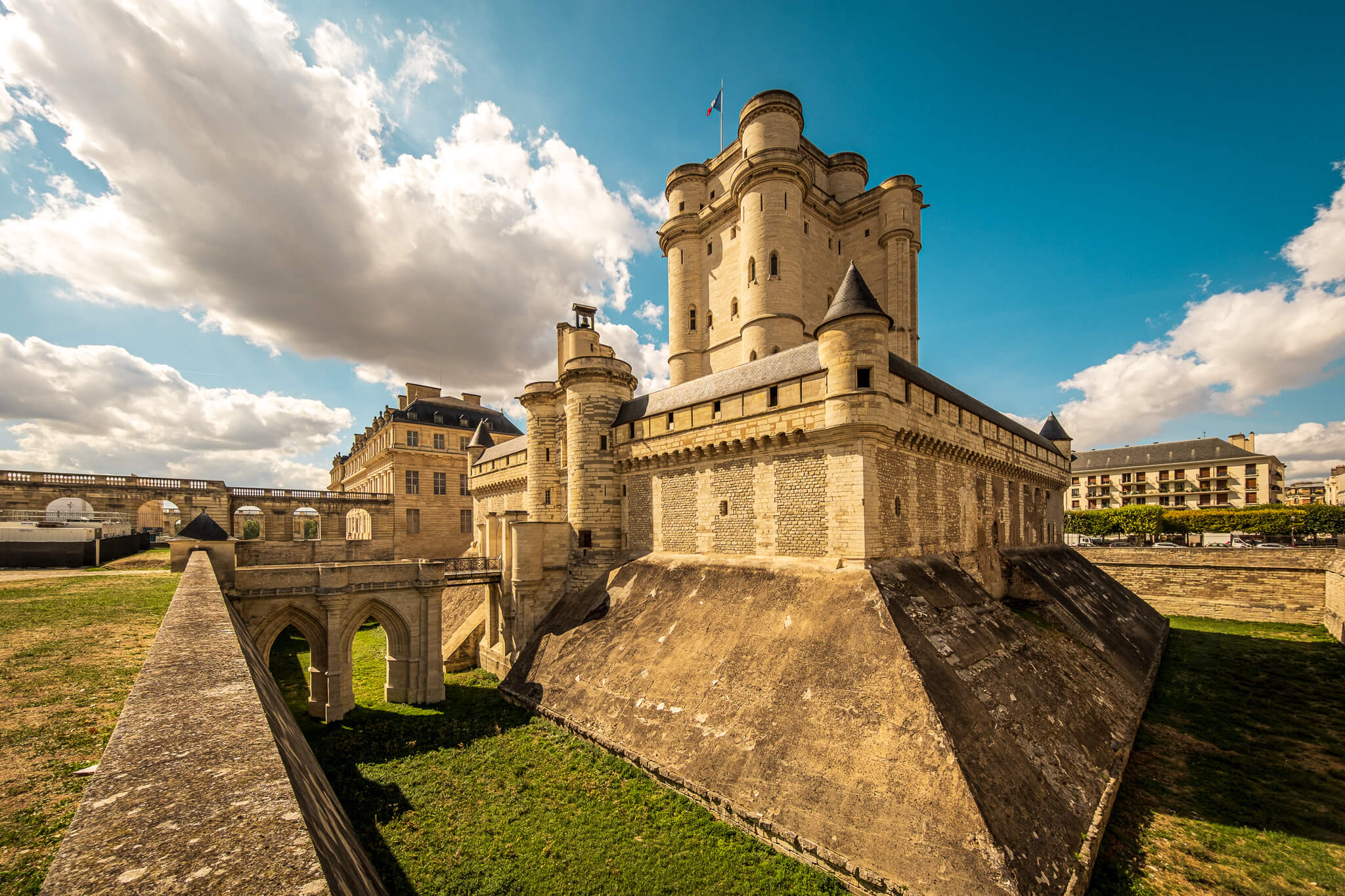
Bois de Vincennes area was a naturally forested area set aside as royal hunting grounds for the king at least as far back as the 9th century. In the 12th century, Louis VII built the first hunting lodge in the woods.
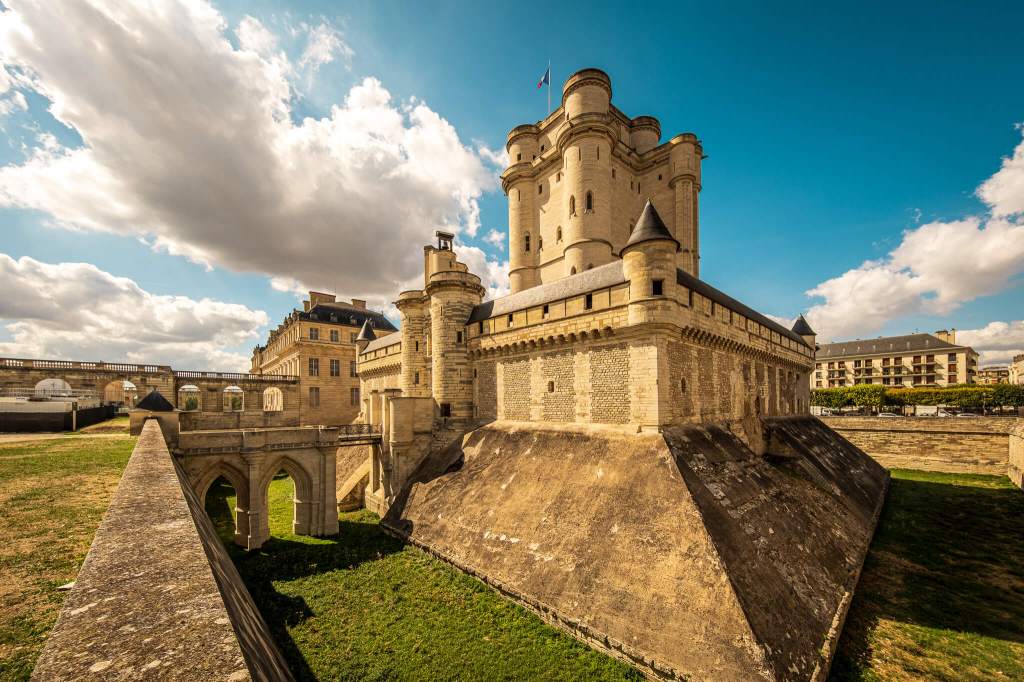
During the 14th century, the site was fortified with the construction of the donjon or keep, becoming the Château de Vincennes, and continued to get built up over the years with the construction of separate King and Queen pavilions in the 17th century. At that time, the donjon was turned into a state prison. Château de Vincennes is the tallest fortified castle in Europe, with the donjon standing 52 metres tall.
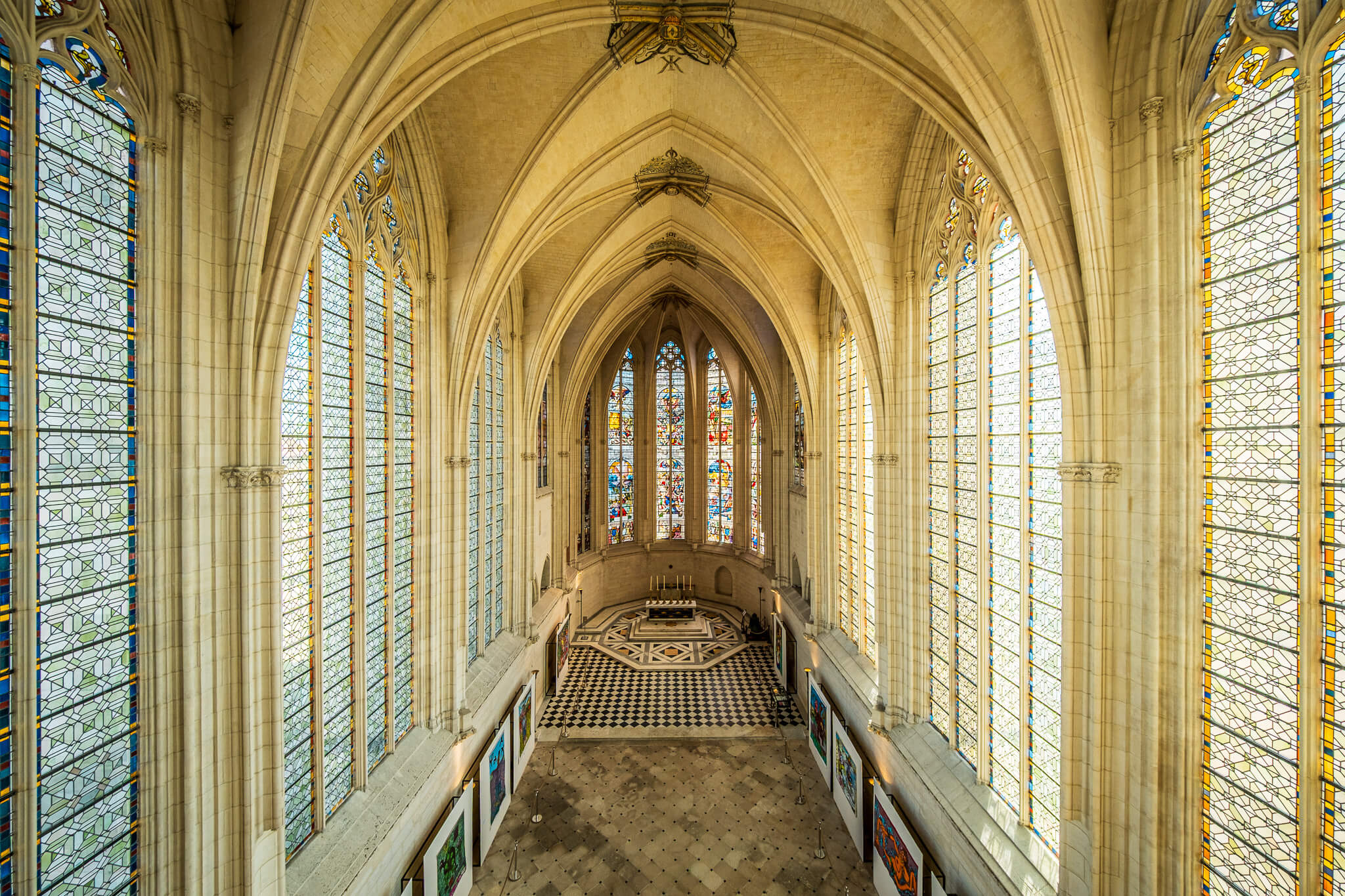
The Château de Vincennes was one of the favoured residences of many kings of France, until the king moved to Versailles. And since no château was complete without a royal chapel, the Sainte-Chapelle de Vincennes began construction in 1379, modelled after the Sainte-Chapelle in Paris. Since the one in Vincennes was only completed in 1552, it features the rich, curved lines of the Flamboyant Gothic style.
It’s free to visit the Château grounds, while visiting the interior of the Saine-Chapelle and donjon requires a ticket.
The 12e arrondissement of Paris was an absolute standout. Not only does it offer some world-class attractions steeped in history, but they are off the radar of most tourists and much of them can be visited for free. Truly an area not to be missed while visiting Paris.

 Scuba Duo
Leave a comment