
The 10e arrondissement is named Entrepôt (literally “warehouse”) because of the area’s historic role as a transportation hub and the location of several customs warehouses. Many of the attractions we see today speak to the history of shipping in this area.
Today, most tourists interact with the 10th arrondissement when they catch a train connection at the major transportation hubs, Gare du Nord and Gare de l’Est. While they’re exclusively for passenger trains today, both these stations also handled freight trains in the past.
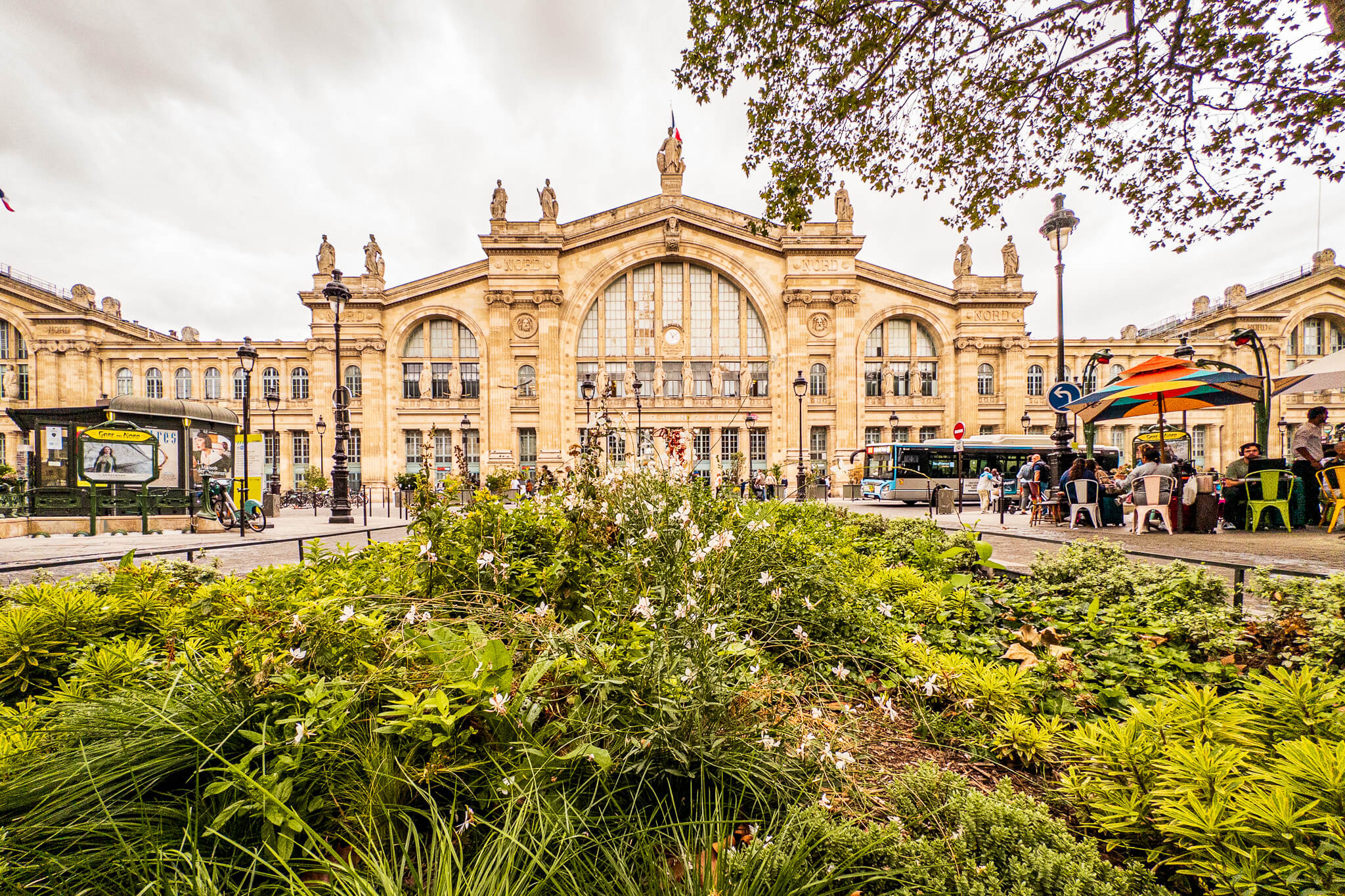
Gare du Nord is the busiest railway station in Europe, seeing over 250 million passengers per year (700,000 per day!). The current station building opened in 1864 while still under construction. The neoclassical façade was inspired by the triumphal arch and is adorned with 23 statues representing the major international and domestic destinations served when the station was built.
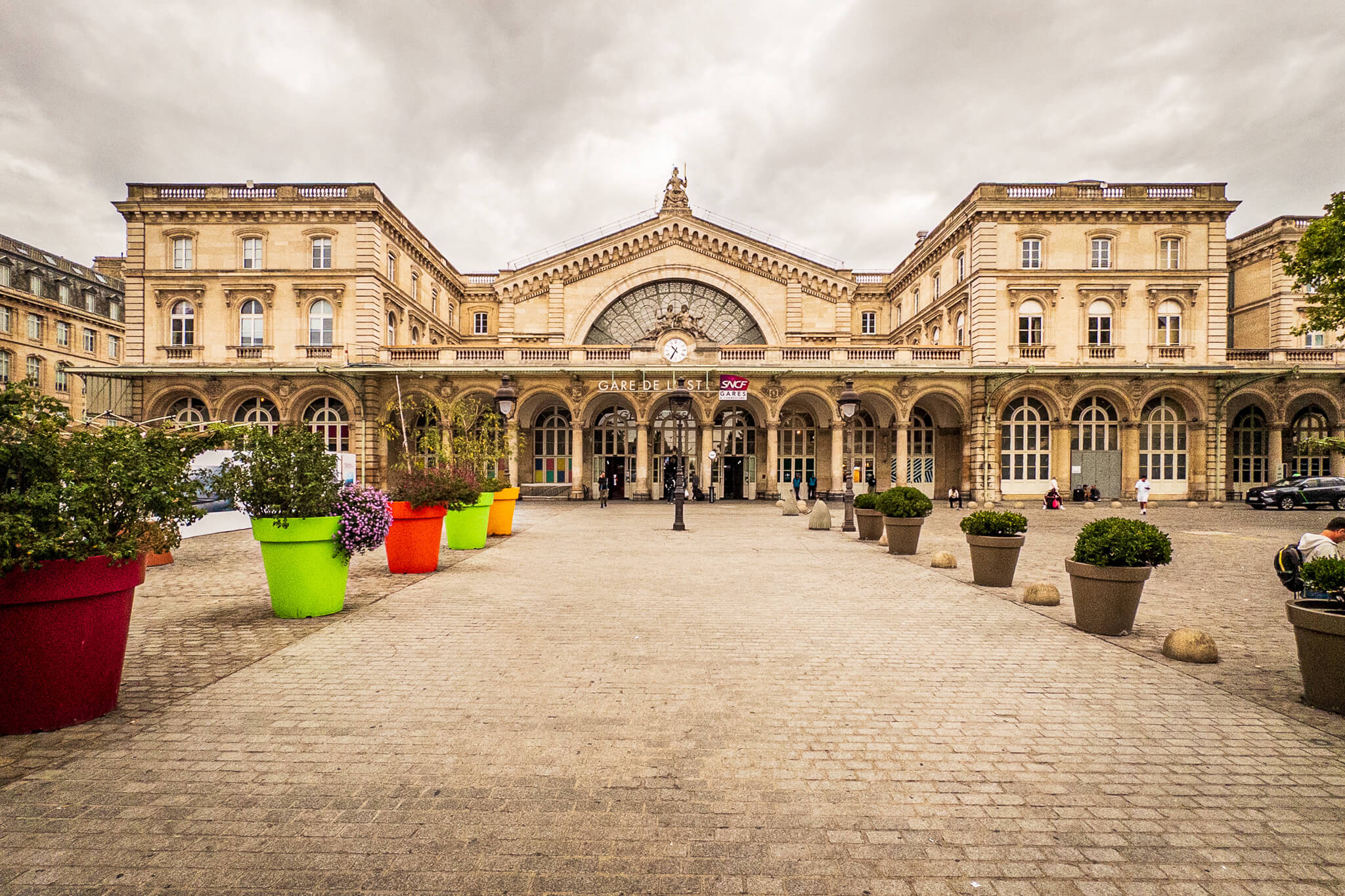
Gare de l’Est, only a few hundred metres away from Gare du Nord, is the oldest railway station in Paris inaugurated by Napoleon III and opened in 1849. In 1931, the station was doubled in size which is why we see a double façade. This station serves rail lines going east, which was the departure point for troops during WWI. During WWII, a bunker was built below the tracks that would allow staff to keep the station running in the event of an attack.
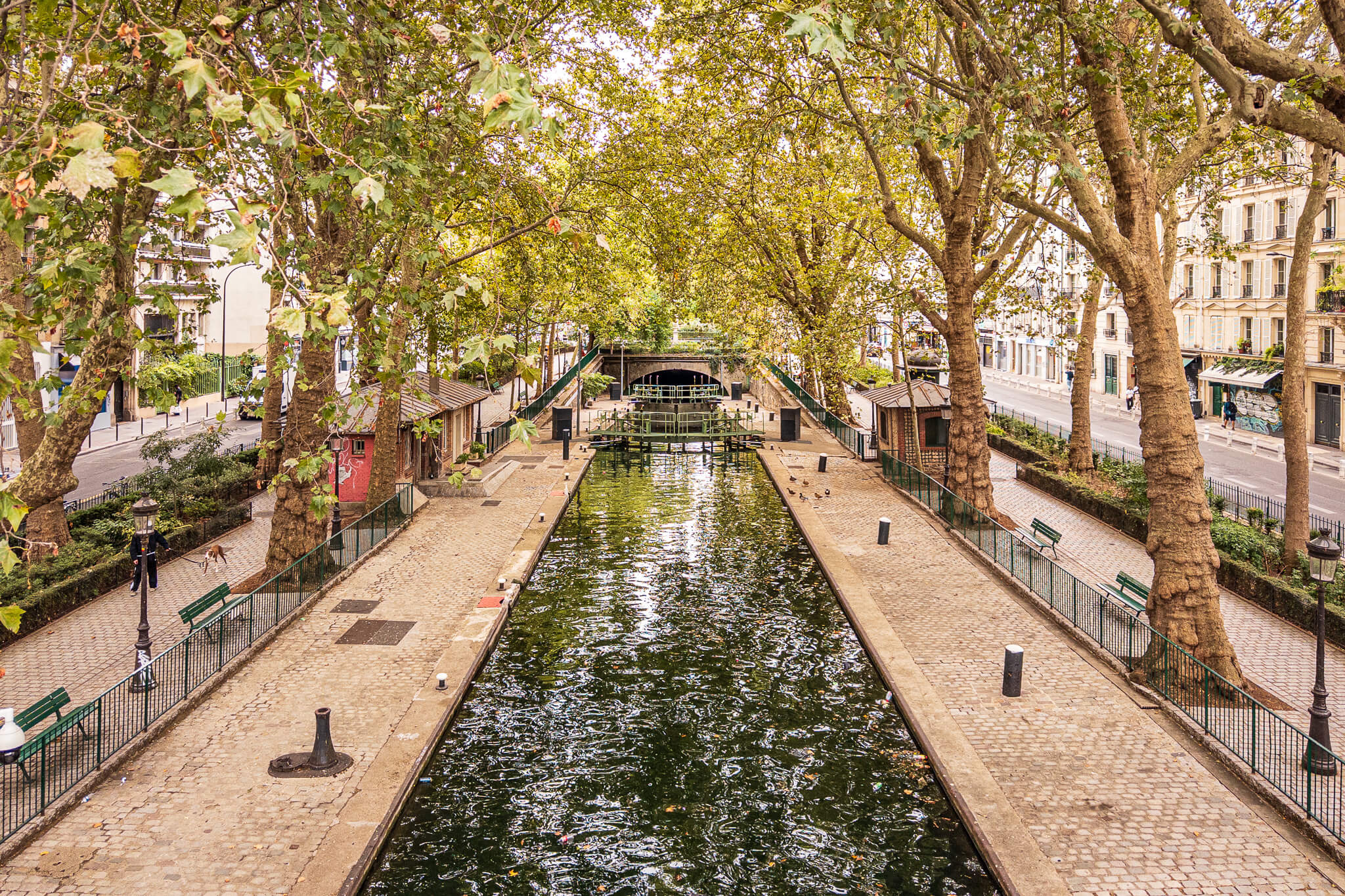
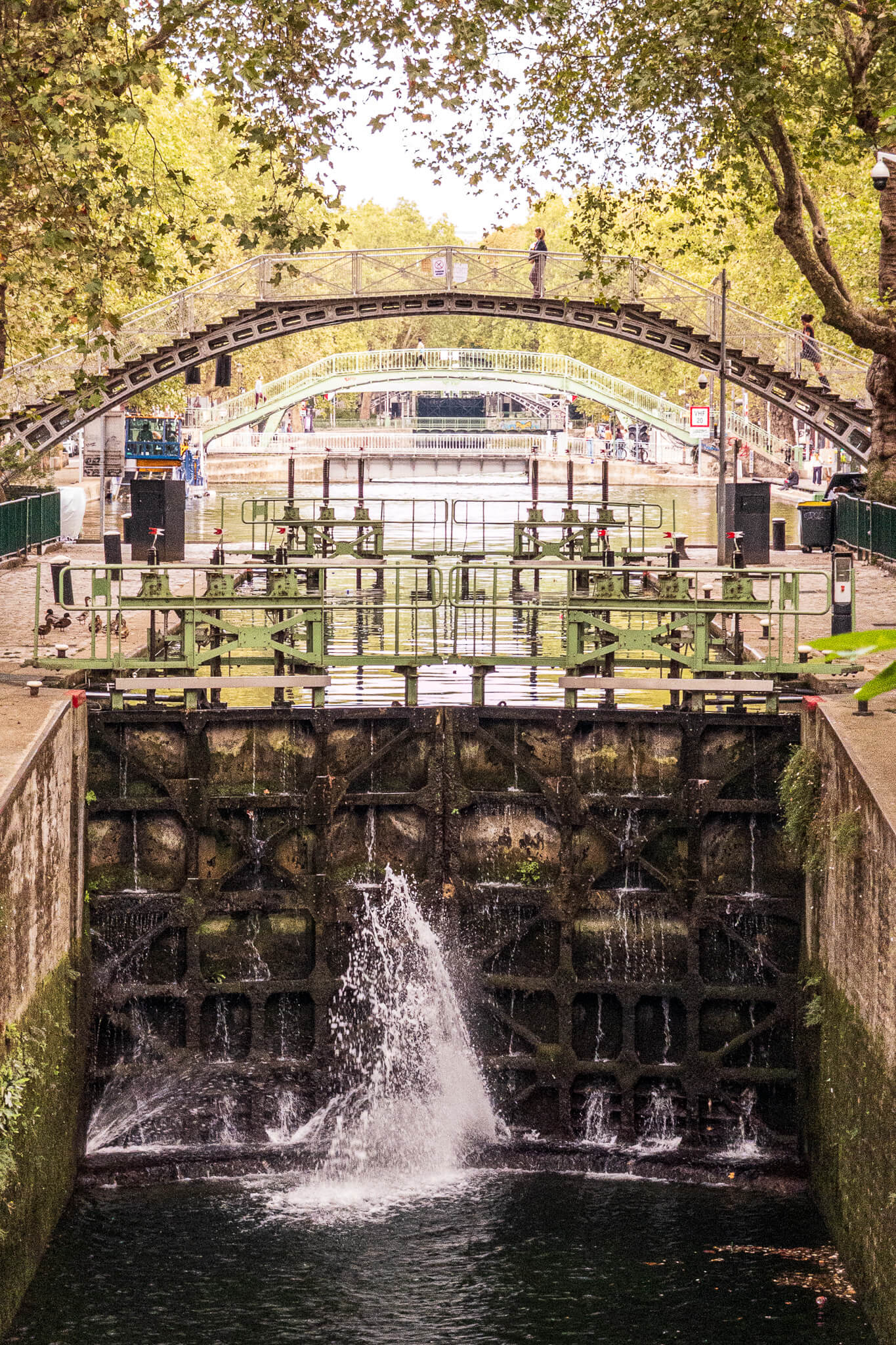
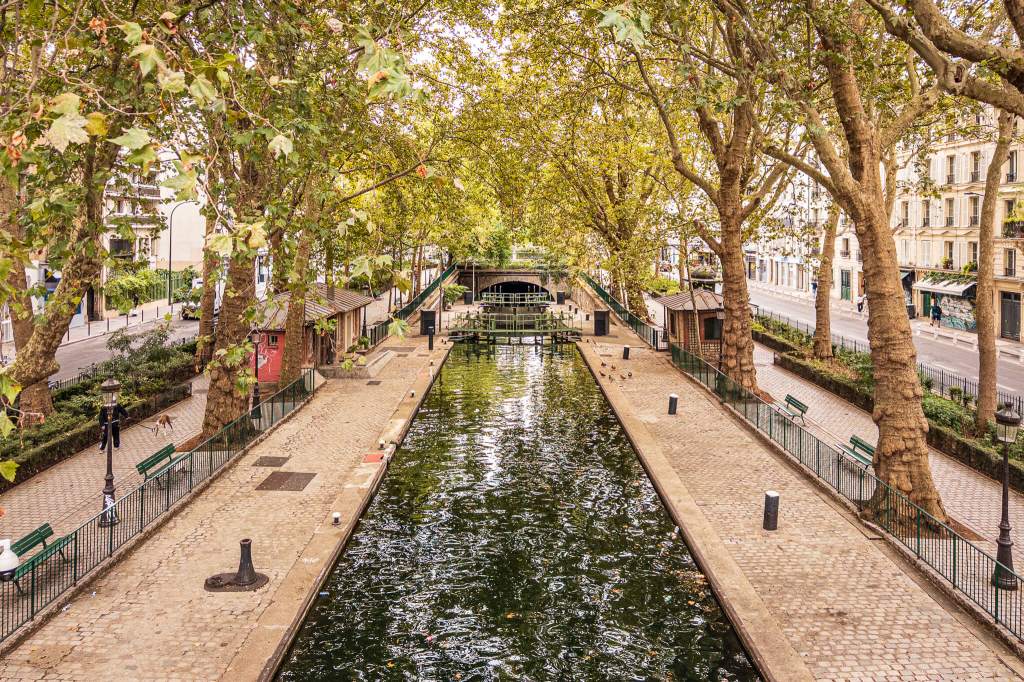
One of the biggest draws of the area is the Canal Saint-Martin, a 4.5 km waterway lined with trees, iron footbridges and trendy cafés. Construction started under Napoleon in 1802 (opening in 1825) in order to bring fresh drinking water into the centre of Paris and to ease congestion along the Seine river for shipping grain, wine and construction materials. A 2 km stretch of the canal starting at Place de la Bastille was covered to create room for public spaces.
After a few busy days in the city, escaping tourists for a quiet stroll along the canal was a nice change.
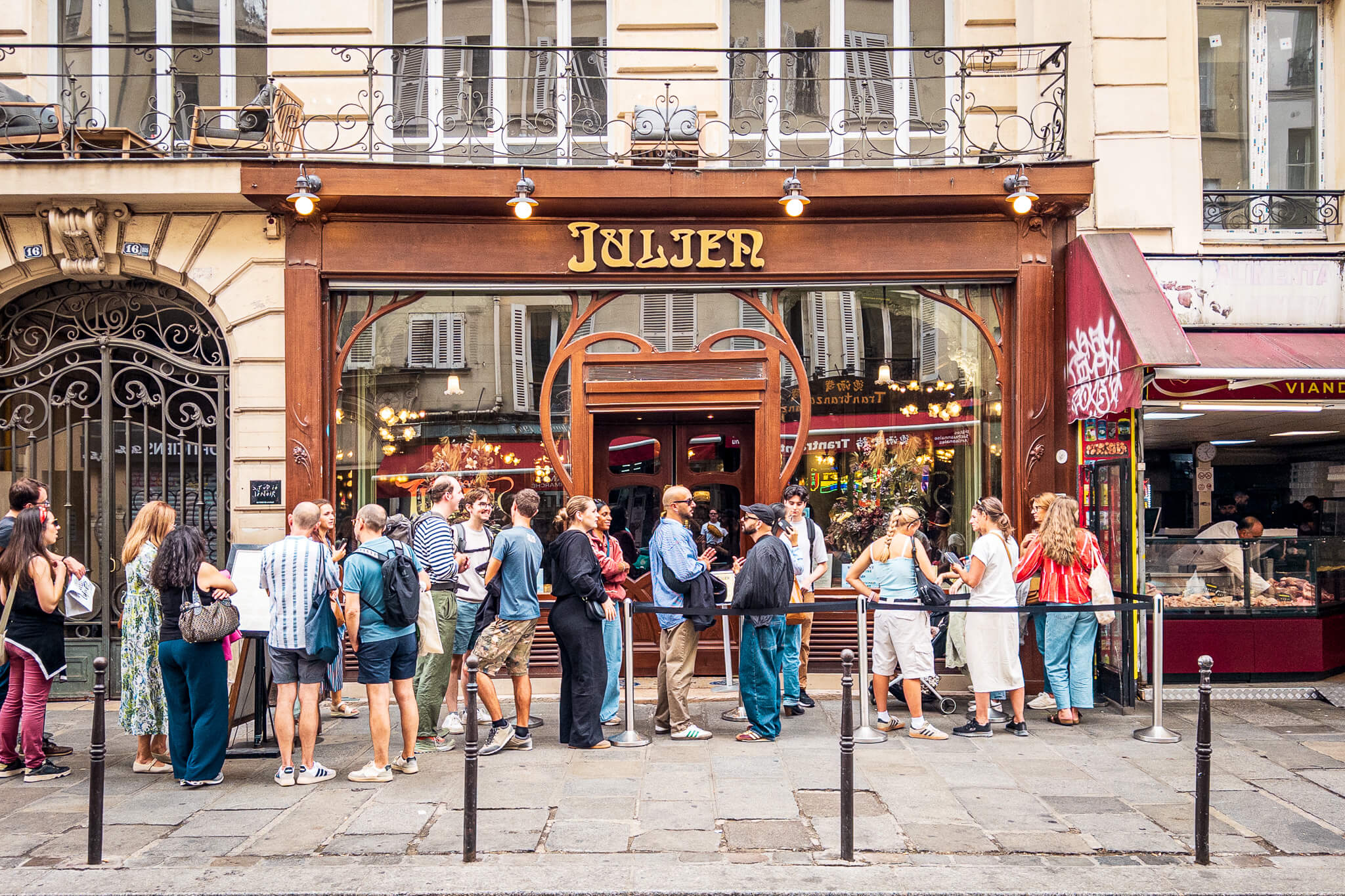
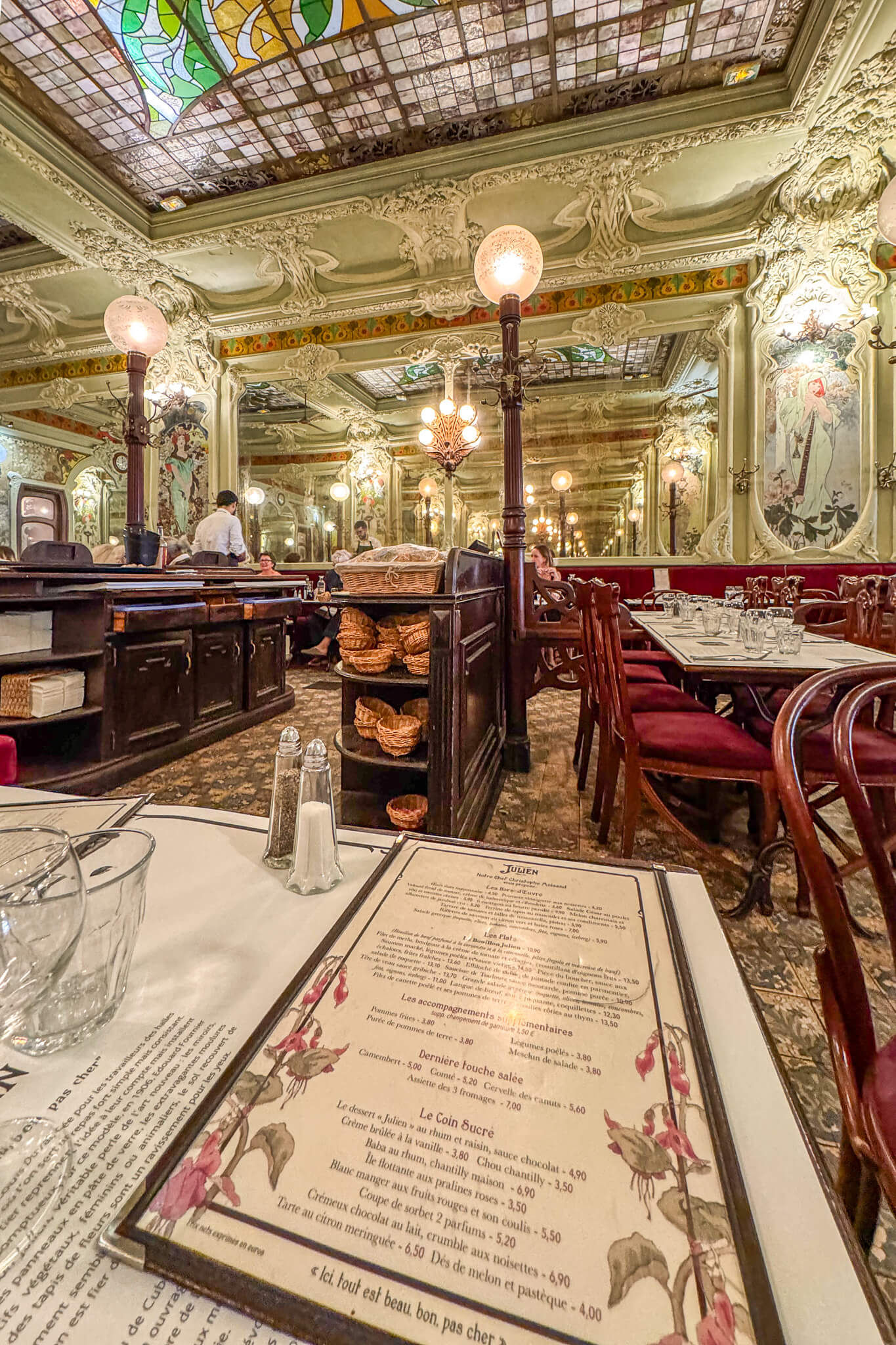
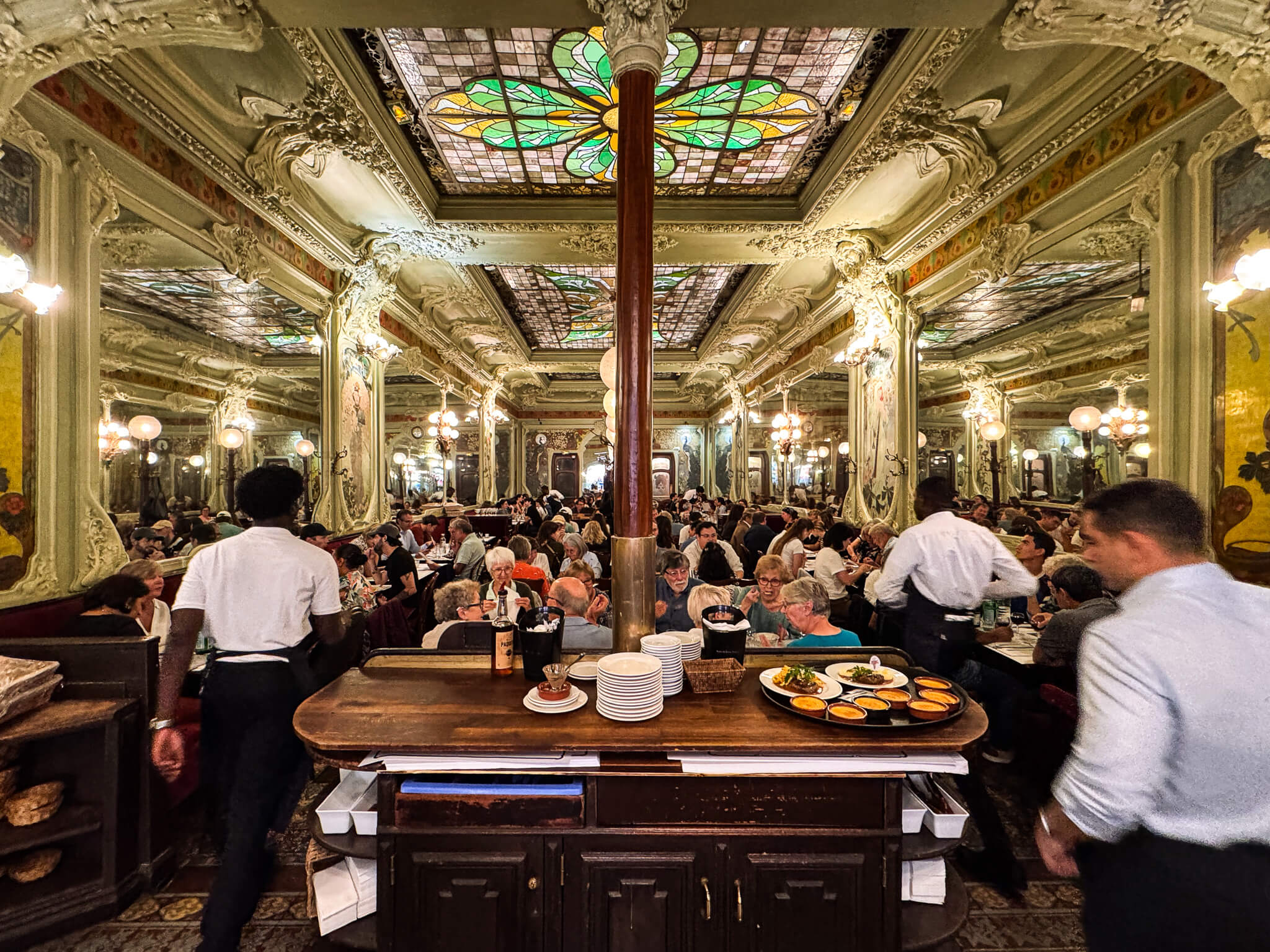
The 10e arrondissement is home to another bouillon restaurant with a masterpiece Art Nouveau interior. Bouillon Julien opened in 1903 (although the decor would only be finished in 1906) with an impressive Cuban mahogany and tin bar, a stained-glass skylight and peacock motifs throughout. Edith Piaf was a regular at Bouillon Julien. Compared to Bouillon Chartier, Bouillon Julien offers a smaller, more intimate dining room with mostly private tables and a less boisterous atmosphere. They also had a few more refined menu items like rabbit terrine, salmon rillettes, seared salmon and crême brûlée, in addition to the original bouillon broth soup. However, I noticed that the oeuf mayonnaise that a neighbouring table ordered was overcooked (unforgivable at twice the price of Bouillon Chartier).
After spending time in the more touristy areas of Paris, the 10e arrondissement was a nice change, showing a much more residential side of Paris, but still plenty vibrant with a more multicultural food scene.
 Scuba Duo
Leave a comment