
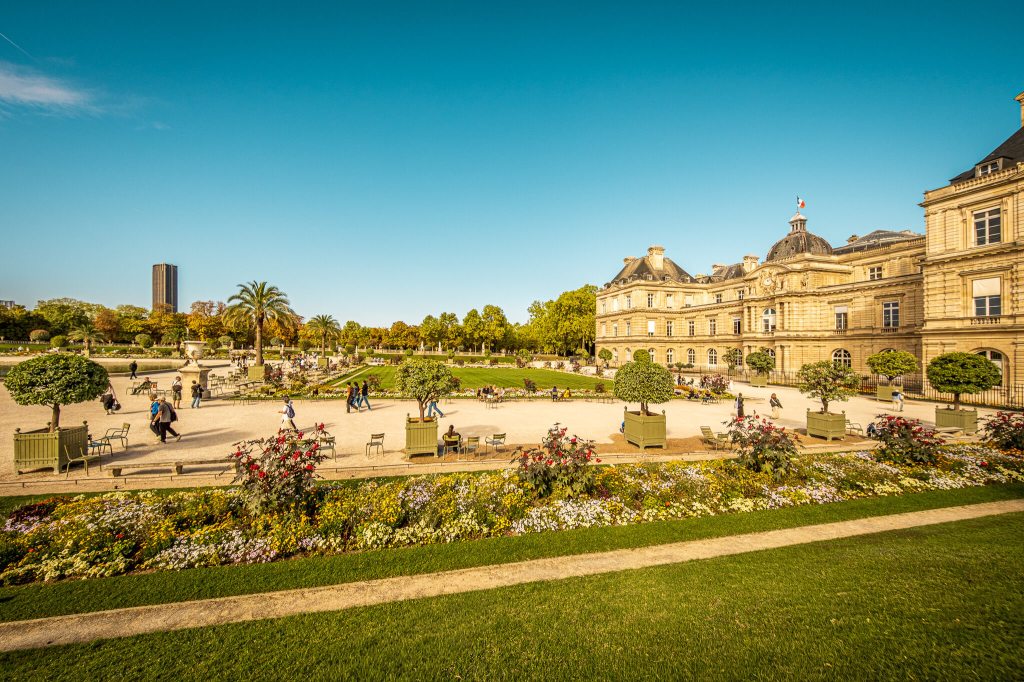
The 6e arrondissement of Paris is named Luxembourg after the Luxembourg Palace and its garden. The Luxembourg Palace was built between 1615 and 1645 for queen regent Marie de Medici (who was only distantly related to Catherine de Medici, and moved to France to marry Henry IV some 11 years after Catherine died). After the revolution, it became the seat of the upper house of the French government (in the various forms it has taken since the first revolution). The Luxembourg name for the palace stems from the fact that it was built on the site of a mansion owned by the François de Luxembourg. (The original mansion is still on the site, now known as Petit Luxembourg.)
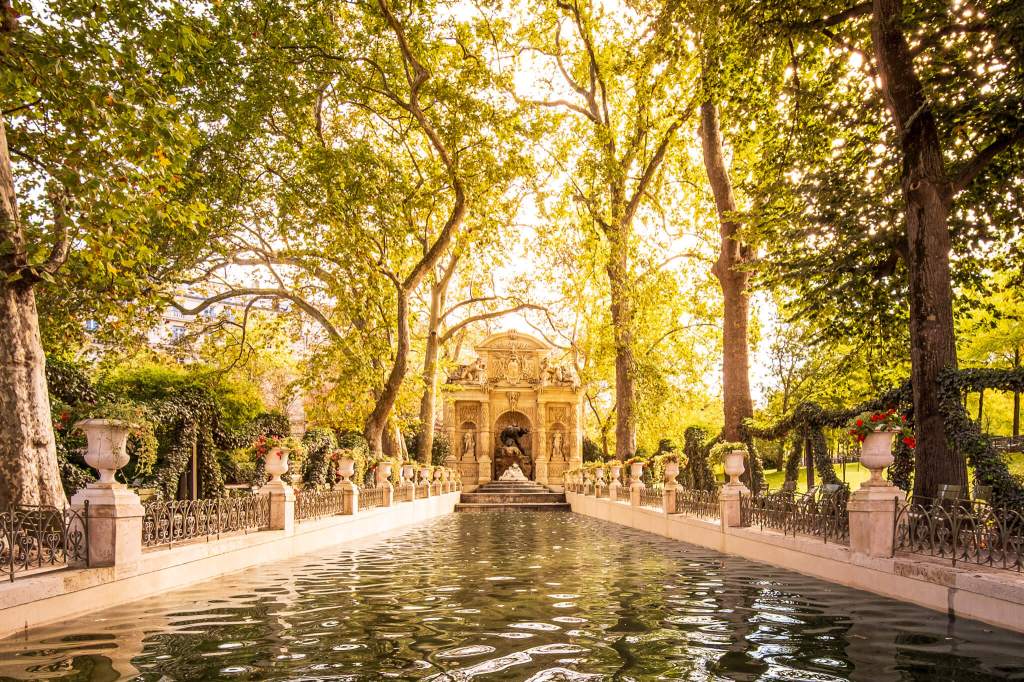
The Luxembourg Garden was created at the same time as the palace. Today it covers over 56 acres with grass lawns, tree-lined promenades, flowerbeds and a large basin. The most famous part of the garden is the Medici Fountain. Built in 1620 and modified in 1811 with the addition of the Venus statue, it was moved in 1864 to make way for Haussmann’s development of rue de Medecis. It was originally built into the orangerie wall, which was crumbling by Haussmann’s time and demolished. The fountain now has a standalone placement in the garden flanked by dramatic ivy garlands. When the Medici Fountain was moved, another fountain dating from 1806-1808 that was also being displaced was added to the back of it (which few people walk around to see).
The Luxembourg Garden is probably the most pleasant garden in Paris to wander through. There are plenty of more private areas to sit down and contemplate the sculptures, or enjoy some private time with a book. There are plenty of the iconic Parisian lawn chairs that can be moved around when you find just the right spot. Or find a chair near the Grand Bassin and watch the world go by.
Two iconic churches
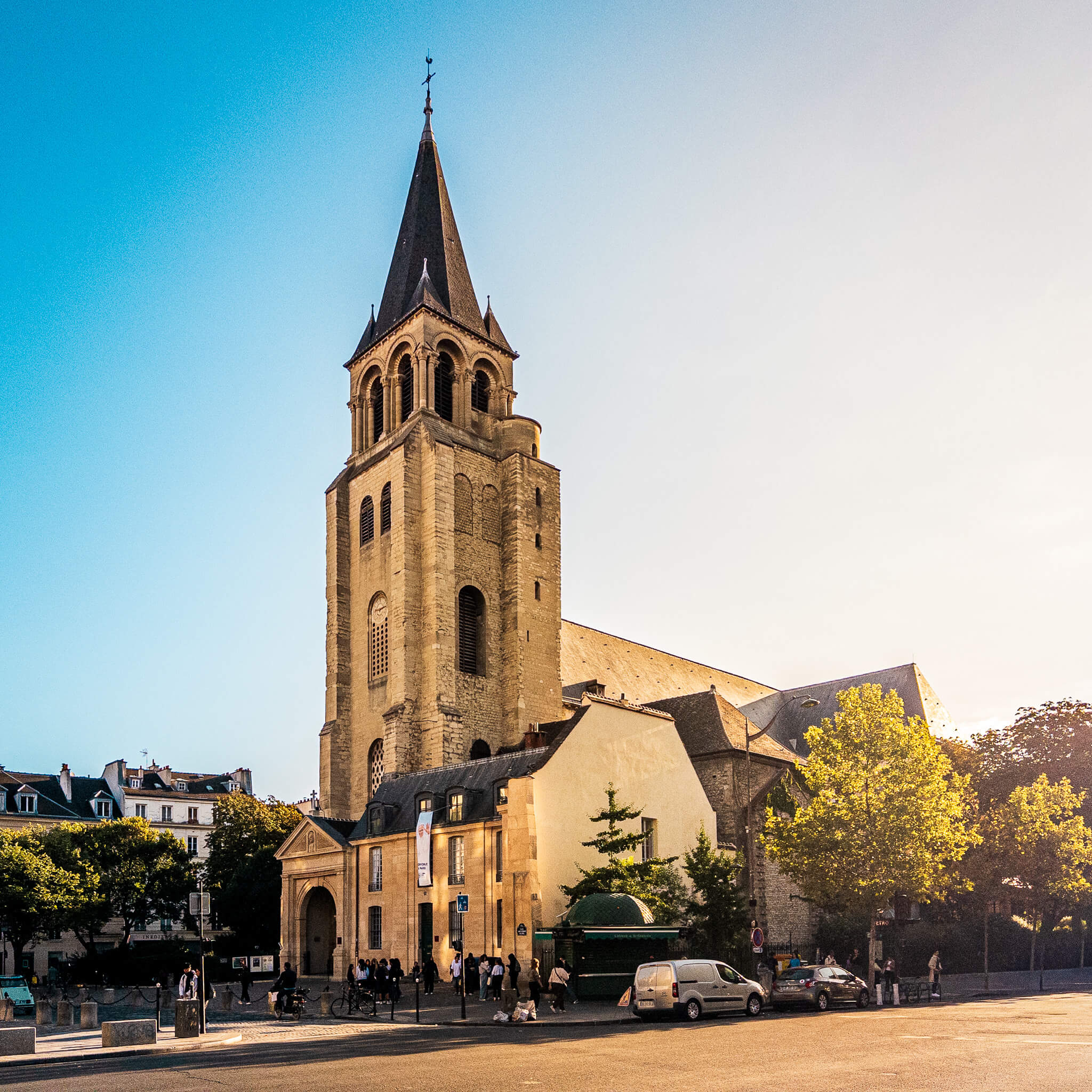
Église Saint-Germain-des-Prés doesn’t look like much from the outside, but hides a beautiful interior. It’s actually hard to find many exterior walls of the church, because it was originally located inside an abbey complex and integrated into other buildings. It holds the title of oldest church building in Paris, with the bell tower dating to as early as 990 and looking more like a fortress tower than a traditional church bell tower. Other elements of the church were added throughout the centuries, so the church displays elements of Romanesque, Gothic, neoclassical and Gothic revival. Saint-German-des-Prés features the earliest flying buttresses in Paris.
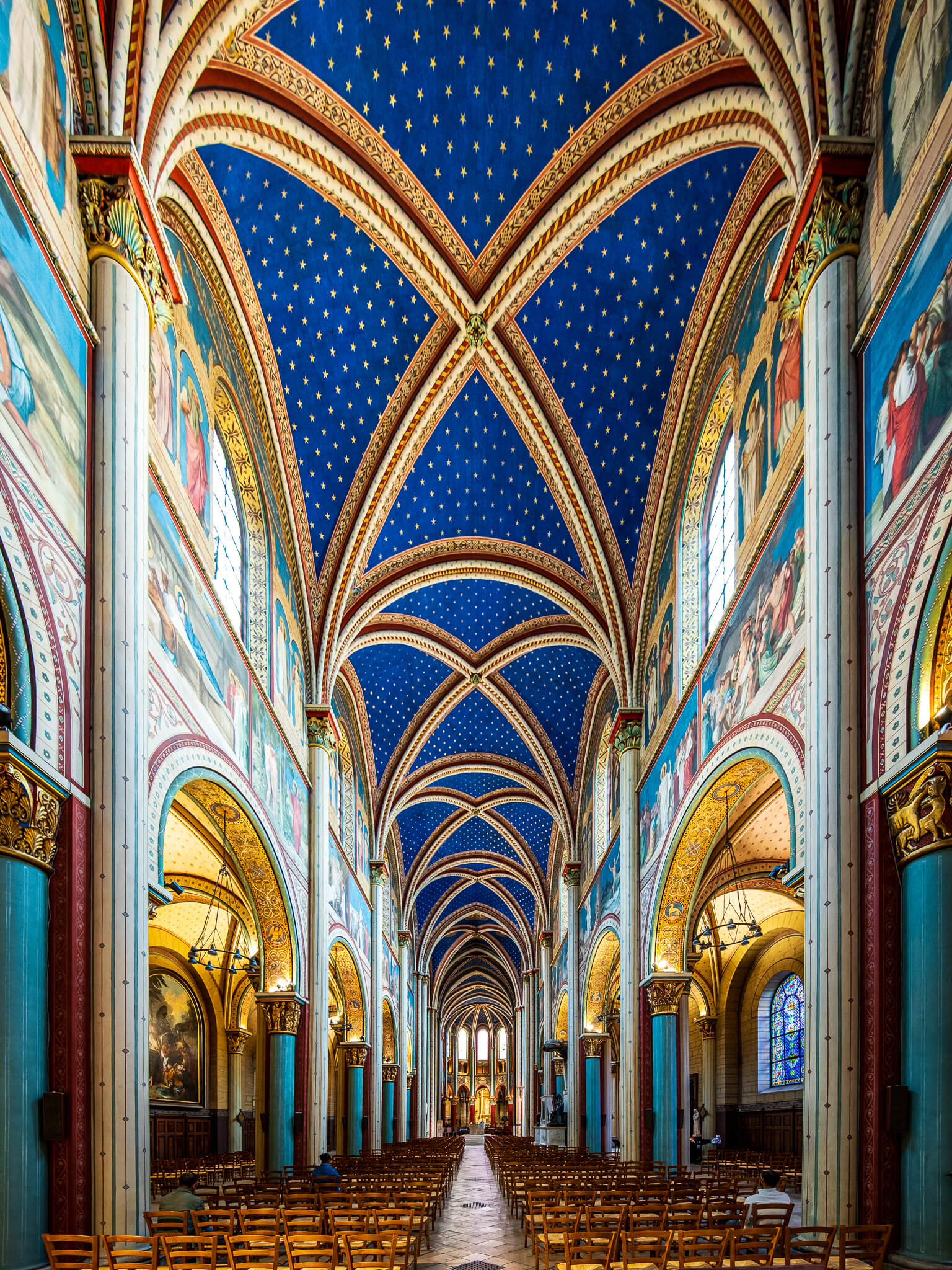
Inside, Saint-German-des-Prés is richly decorated with frescoed walls, columns, arches and vaults, dating to the mid-19th century. The vivid blue and gold ceiling vaults immediately draw you in, and make the church unlike most others in Paris. The columns are also ornately painted. Once you start admiring the frescoed panels, you could spend hours in the church. Definitely a must-visit stop in Paris.
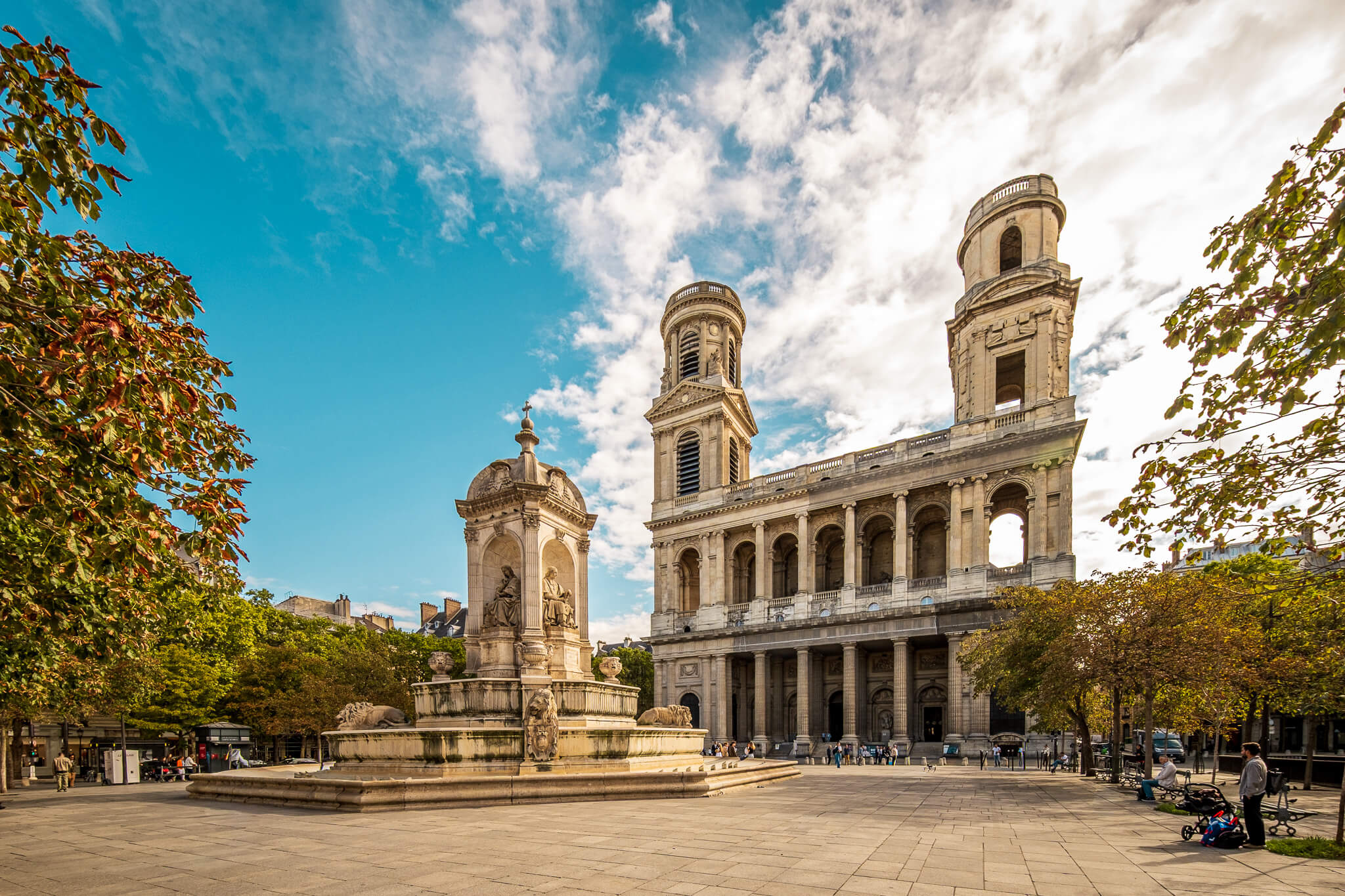
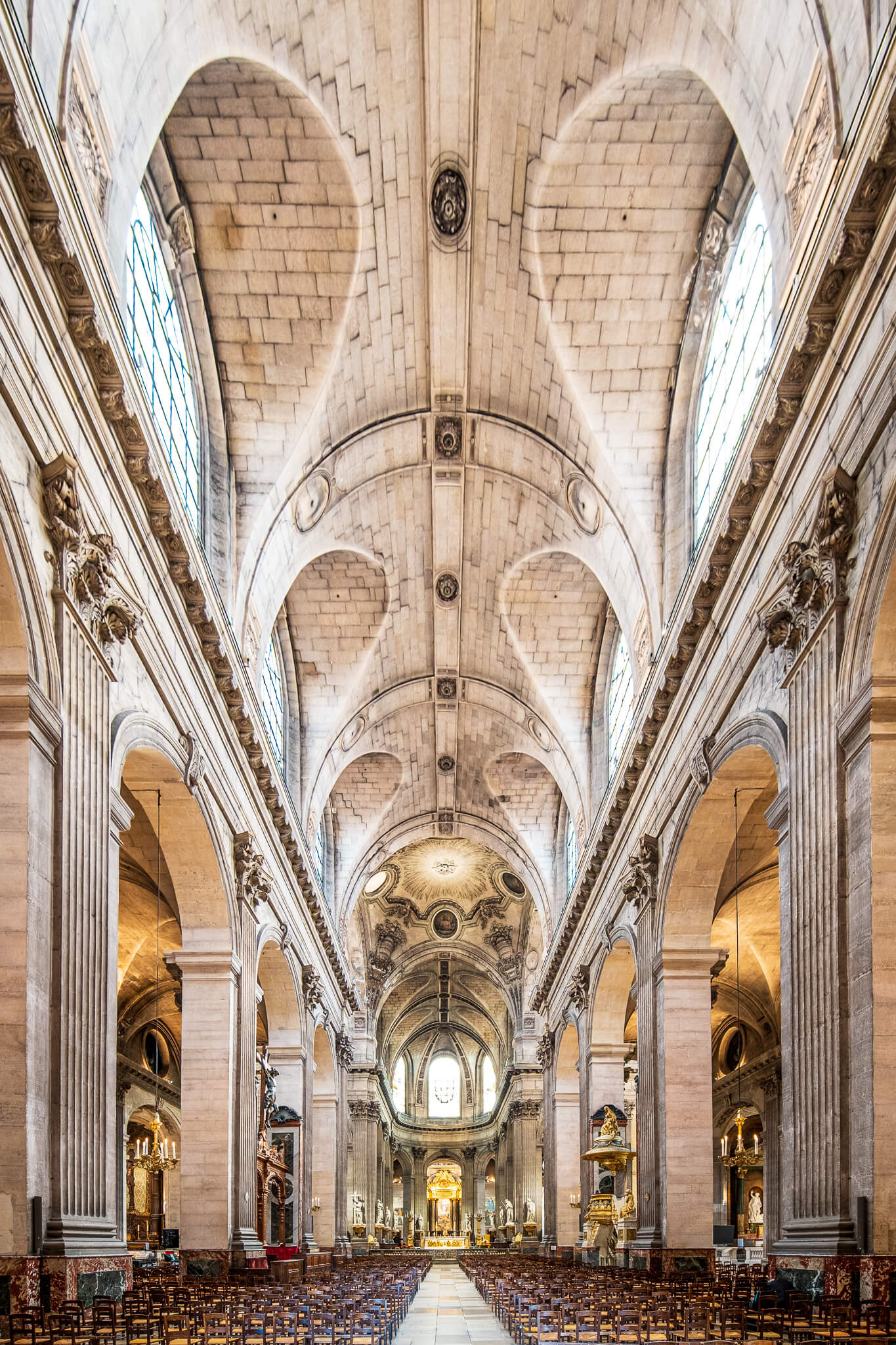
Église Saint-Sulpice is the second-largest church in Paris (behind Notre-Dame), whose construction started in 1646. It’s actually about 10 metres wider than Notre-Dame, and its north tower is 4 metres taller than Notre-Dame, making the facade rather imposing (although Notre-Dame’s 96-metre spire eclipses Saint-Sulpice).
The towers of the main façade (inspired by Saint Paul’s Cathedral in London) are mismatched. The north tower was rebuilt in 1777-1780 with a more neoclassical design, but with the advent of the French Revolution, the south tower was never replaced.
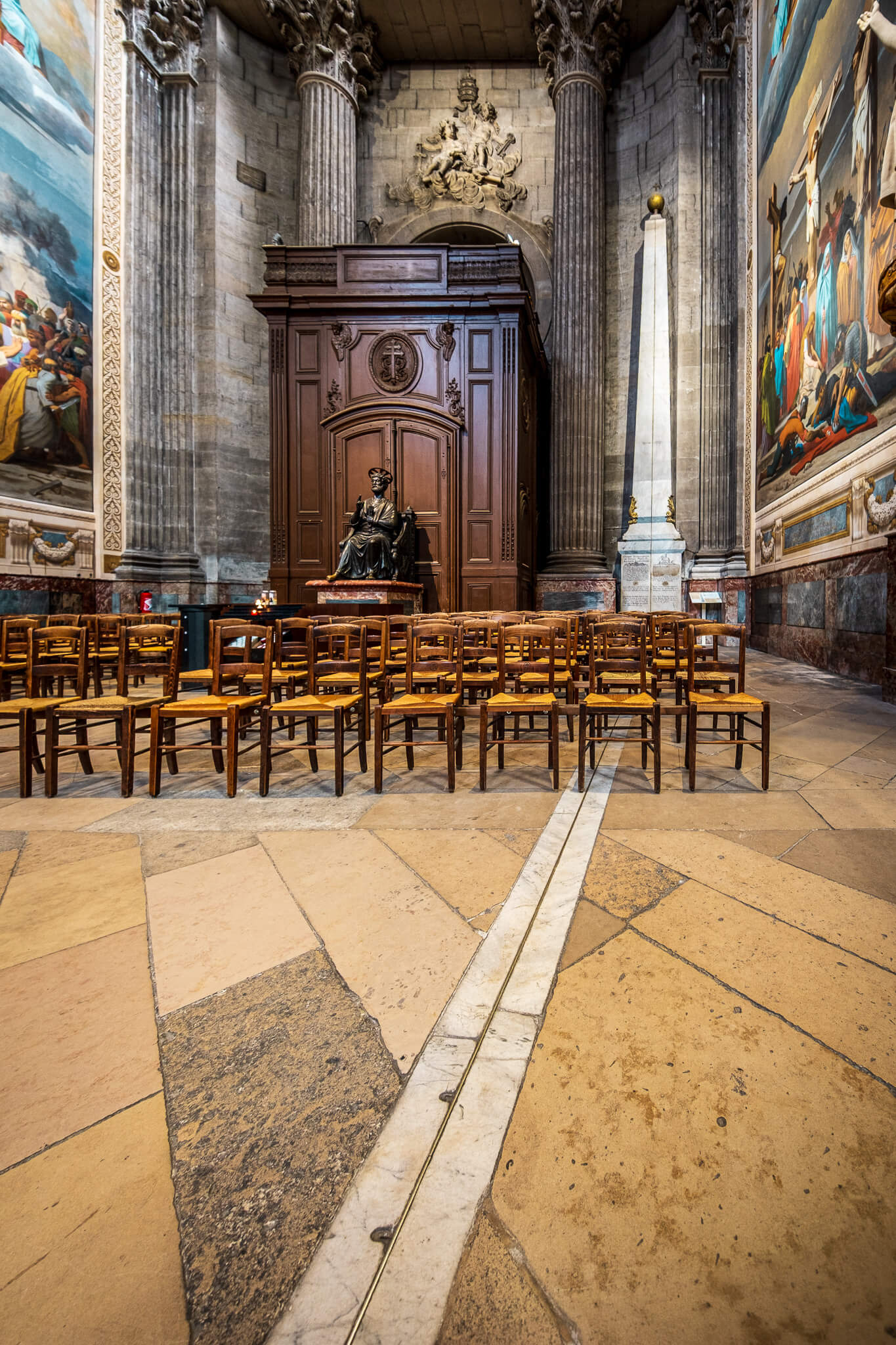
As featured in The Da Vinci Code, there is a brass line embedded in the floor of the church marking a meridian (although not the actual Paris Meridian). It runs towards a marble obelisk that was used to track the sun and calculate the date of Easter by measuring the position of light entering from lenses in the south transept window.
A traditional Parisian market
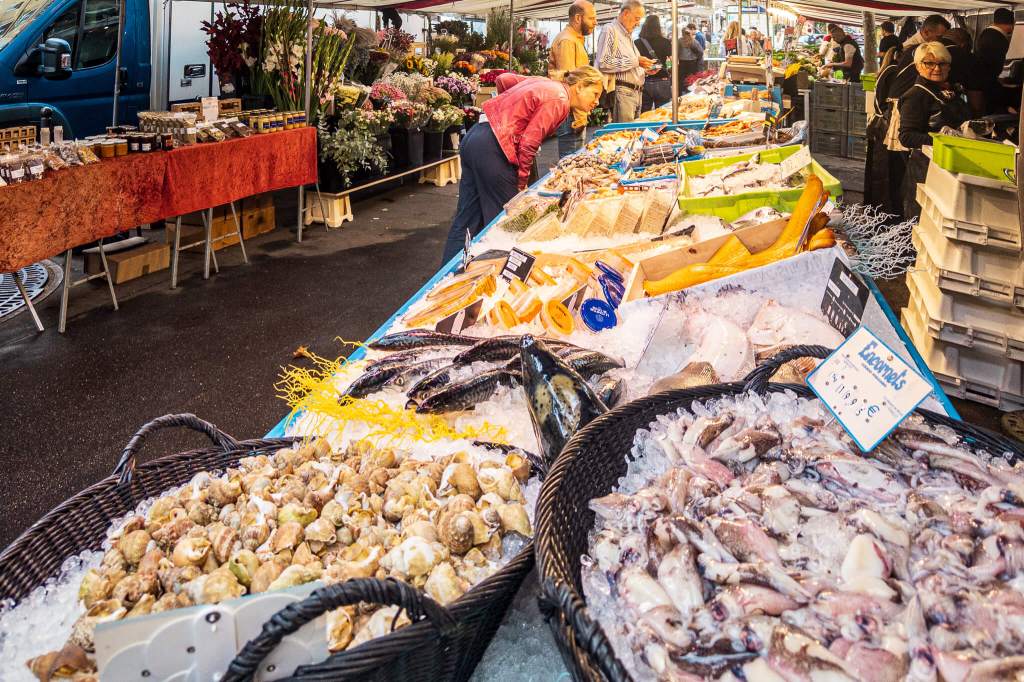
Marché Raspail is one of the larger open-air markets in Paris, open Tuesdays and Fridays, 7am-1:30pm, with an organic market on Sundays, 9am-3pm (supposedly the largest in France). This market offers some of the best-looking fish, meats and cheeses in the city, and towards lunchtime, a decent amount of street food options. Ina Garten, the Barefoot Contessa, calls it her favourite food market in Paris. We could have easily grabbed lunch here, but we had a different plan…
Lunch at a historic bouillon restaurant
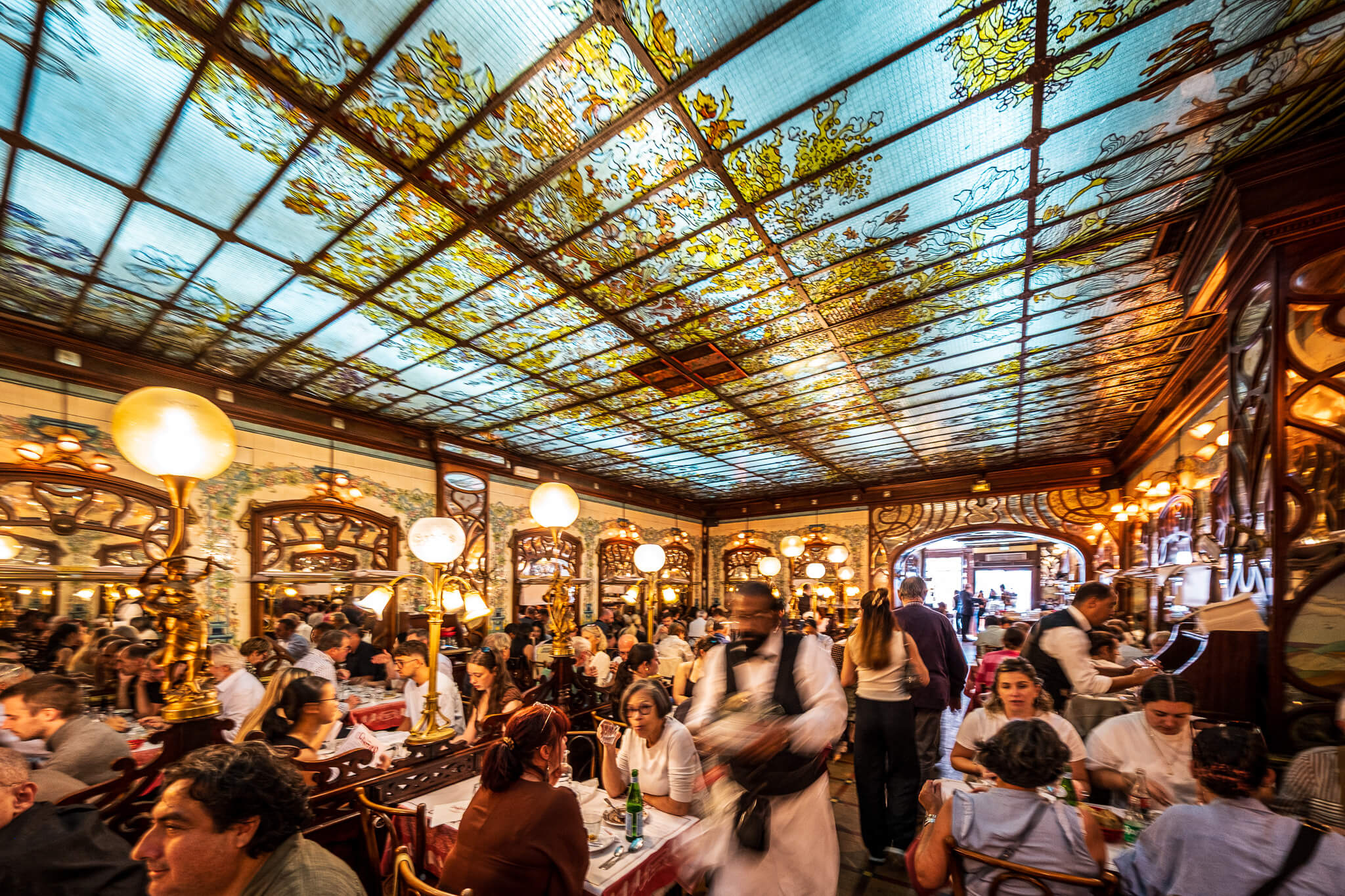
Not many places in Paris advertise a 2-course meal for under €10, but that’s exactly what you get at Bouillon Chartier. At the turn of the 20th century, a butcher opened a simple restaurant offering affordable meat broth and stew for the working class. The Chartier brothers, inspired by this concept, opened Bouillon Chartier in 1896 as a slightly more upscale concept in a stunning Art Nouveau setting. Today there are three locations spread across Paris and we’re visiting the Montparnasse location in the 6e.
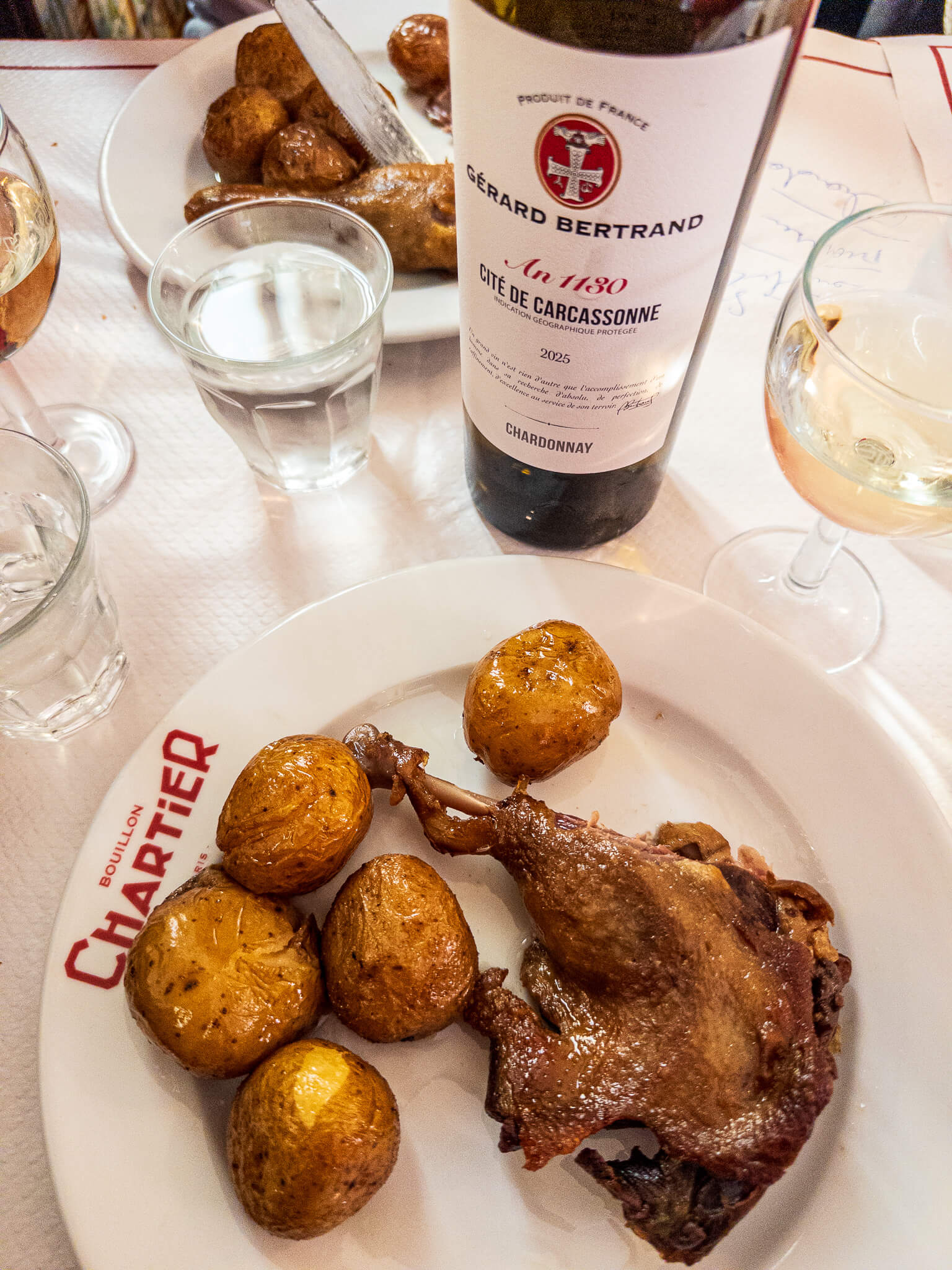
Starters are generally between €1-6, mains between €7-12 and desserts €2-5. You can add a bottle of wine for about €15. If you have trouble choosing from the menu, Bouillon Chartier offers a different 3-course set menu each day (from menu items, without any savings, so can also decide to order à la carte). We ordered the foie gras, duck confit and chocolate mousse, with a bottle of Chardonnay. (Not the cheapest items on the menu, but we enjoyed every single bite!) Portion sizes were perfect to accommodate a 2- or 3-course meal.
Food arrives quickly (faster than a lot of “fast food” these days) since most of the menu items can be prepared ahead of time and they know it’ll get eaten. Don’t expect intimacy—if you’re a group of two, you’ll be seated at a table of four with two other strangers (although after a brief hello, no interaction is expected), and the dining room fills up. The waiter will write your order on the disposable tablecloth so they know what food goes where. And at the end of the meal, they’ll also tabulate your bill on the tablecloth. We were surrounded by locals and we had a blast.
Literary café or tourist trap?
The 6e arrondissement is home to a pair of literary cafés that were frequented by iconic writers, philosophers and artists of the 20th century, including Jean-Paul Sartre, Simone de Beauvoir, Ernest Hemingway, Pablo Picasso and James Joyce. Today, Les Deux Magots and Café de Flore continue to be rivalling cafés across the street from Saint-German-des-Prés. Les Deux Magots now leans a bit more on its food offering, while Café de Flore is a bit more of a place other be seen. We thought about sitting down for a quick breakfast, but they both seemed a bit touristy when we walked by so we skipped these in favour of a coffee at Terres de Café.
The 6e arrondissement caught us by a bit of surprise. We knew we’d love walking through the Luxembourg Garden, but we didn’t expect to unlock so much history at Église Saint-Germain-des-Prés and Église Saint-Sulpice. We’re also hooked on lunch at a bouillon restaurant and can’t wait to visit another. What are your favourite places in the 6th arrondissement of Paris?

 Scuba Duo
Leave a comment