
The 7e arrondissement is named Palais-Bourbon, after the French National Assembly building. While hardly the highlight of this area, the Palais Bourbon was built in 1722 for Louise Françoise de Boubon, daughter of Louis XIV. It didn’t survive long as a royal palace, as it was confiscated during the revolution. Napoleon had a neoclassical façade added to the front to mirror the Église de la Madeleine which lies directly across the Seine.
This arrondissement contains many popular tourist attractions, so we had to be clever with our choices to avoid getting caught up in the crowds.
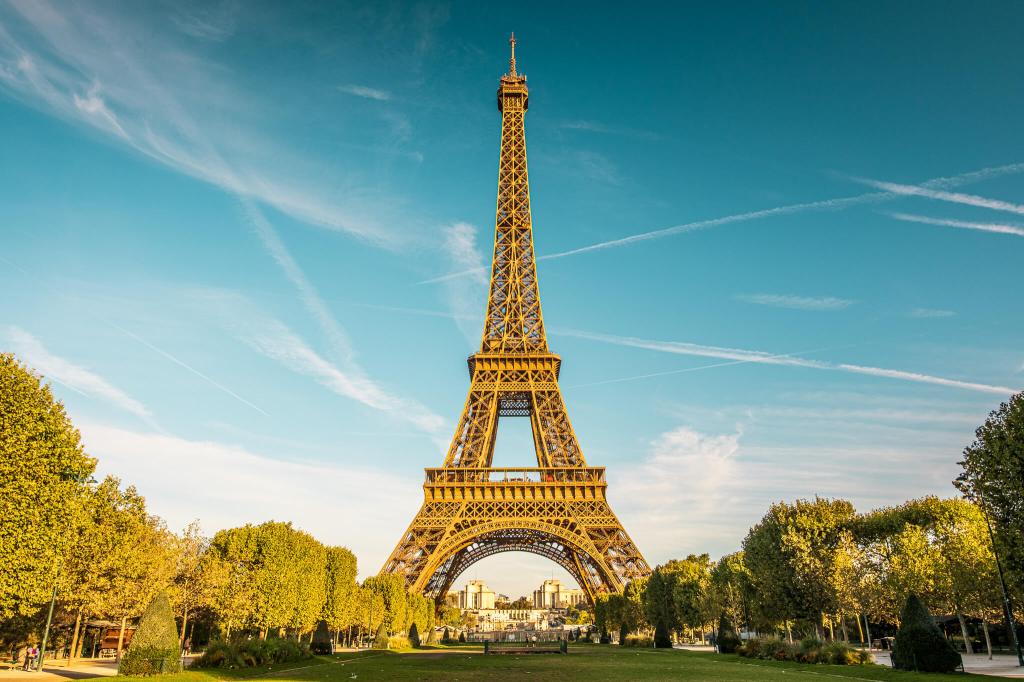
Catching the sunrise at the most iconic landmark in Paris
We actually cheated a bit. On our first day in Paris, we woke up before sunrise, not having yet adjusted to the new timezone. So we took advantage of this to catch the Eiffel Tower at sunrise.
We started at the end of the Champs de Mars, a large park leading right up to the Eiffel Tower that was once the site for military drills for the military school opposite it. First thing in the morning, the park is devoid of all tourists, and our only company was Parisian joggers and dog-walkers.
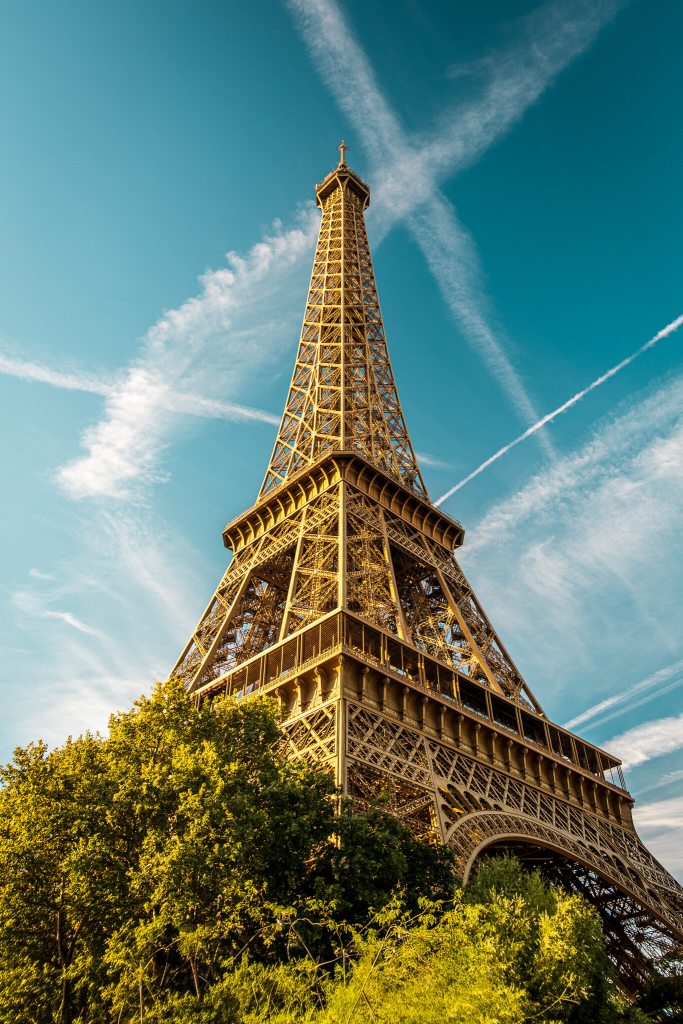
When completed in 1889 for the World’s Fair in Paris, the Eiffel Tower was the tallest man-made structure at 324 metres tall (and held this title for 41 years). Temperature can cause it to fluctuate in height by up to 15 cm. It was originally going to be dismantled after 20 years, but it proved too useful as a radio antenna. Nowadays, it gets repainted every 7 years to prevent corrosion.
On our previous visits, we’ve admired the architectural marvel from the ground. Later on this trip, we plan to take the elevator to the very top. More on that to come!
A monument fit for Napoleon
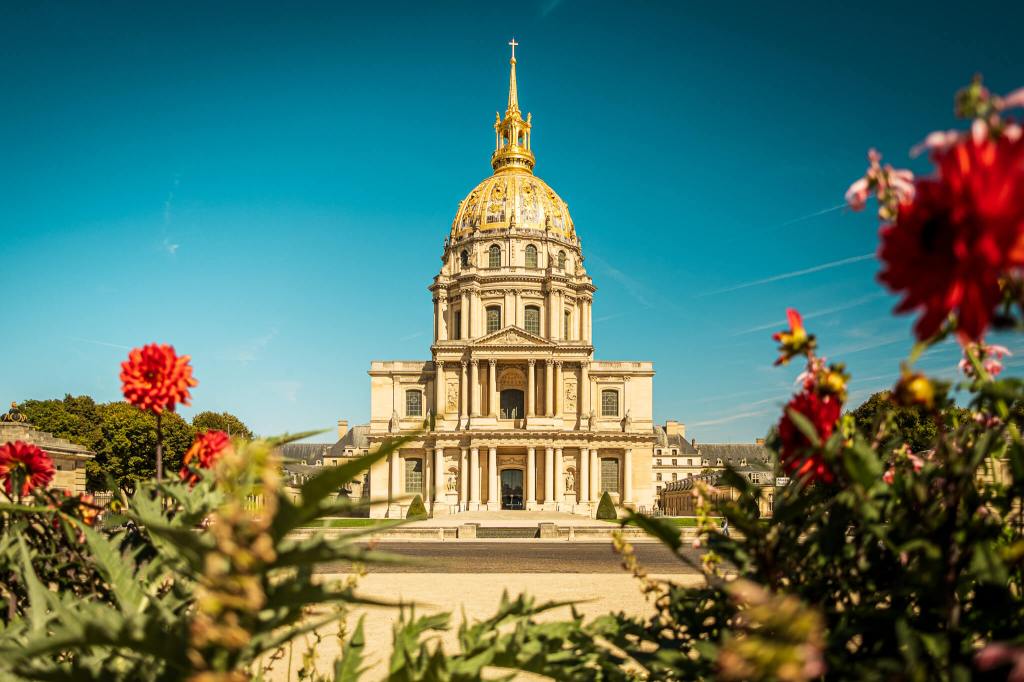
The Hôtel des Invalides is a large complex originally created by Louis XIV in 1670 as a home and hospital for aged and disabled (invalide) soldiers. The most noticeable part of the complex is the royal chapel or Dôme des Invalides, the tallest church building in Paris with a height of 107 metres. The gilded dome (using over 12 kg of gold leaf) can be seen towering over much of Paris. After Napoleon’s exile and death on Saint Helena, his body was returned to France and buried in a massive 35-ton quartzite sarcophagus at the very centre of the Dôme des Invalides.
Exploring the rise of modern art
The area includes two wonderful museums that bridge the gap towards modern art.
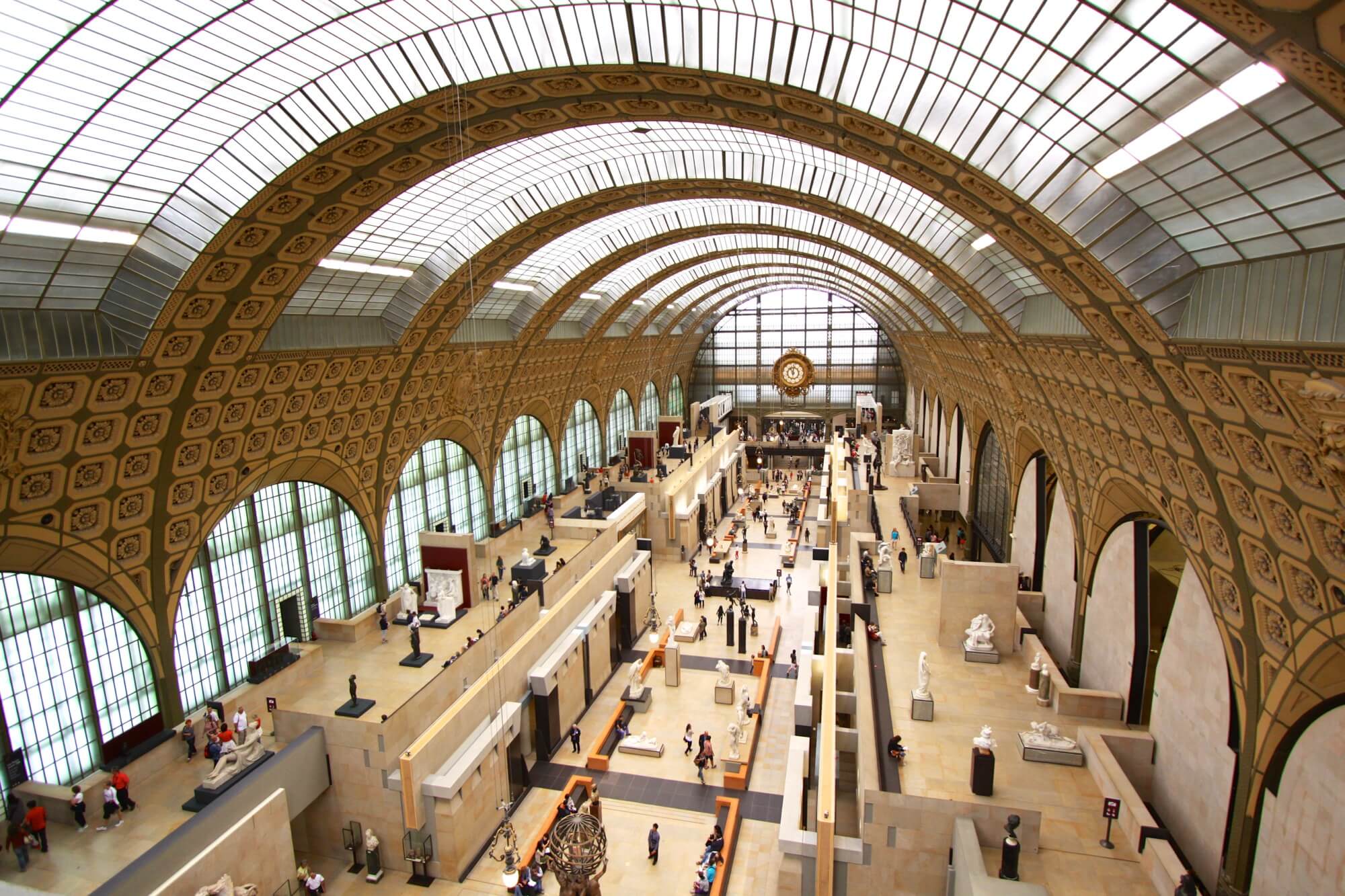
The second-most famous art museum in Paris after the Louvre, housed in a former train station, picks up where the Louvre ends, showcasing art from 1848 through 1914. The Musée d’Orsay features impressionist and post-impressionist artists such as Monet, Van Gogh, Degas and Renoir. Even if you’re not a fan of classic art, you’ll likely find something interesting in the Musée d’Orsay collection.
The museum also includes decorative arts from the period of Napoleon III in the mid-1800s and Art Nouveau around 1900. The architecture of the train station itself is Beaux-Arts, dating to 1900.
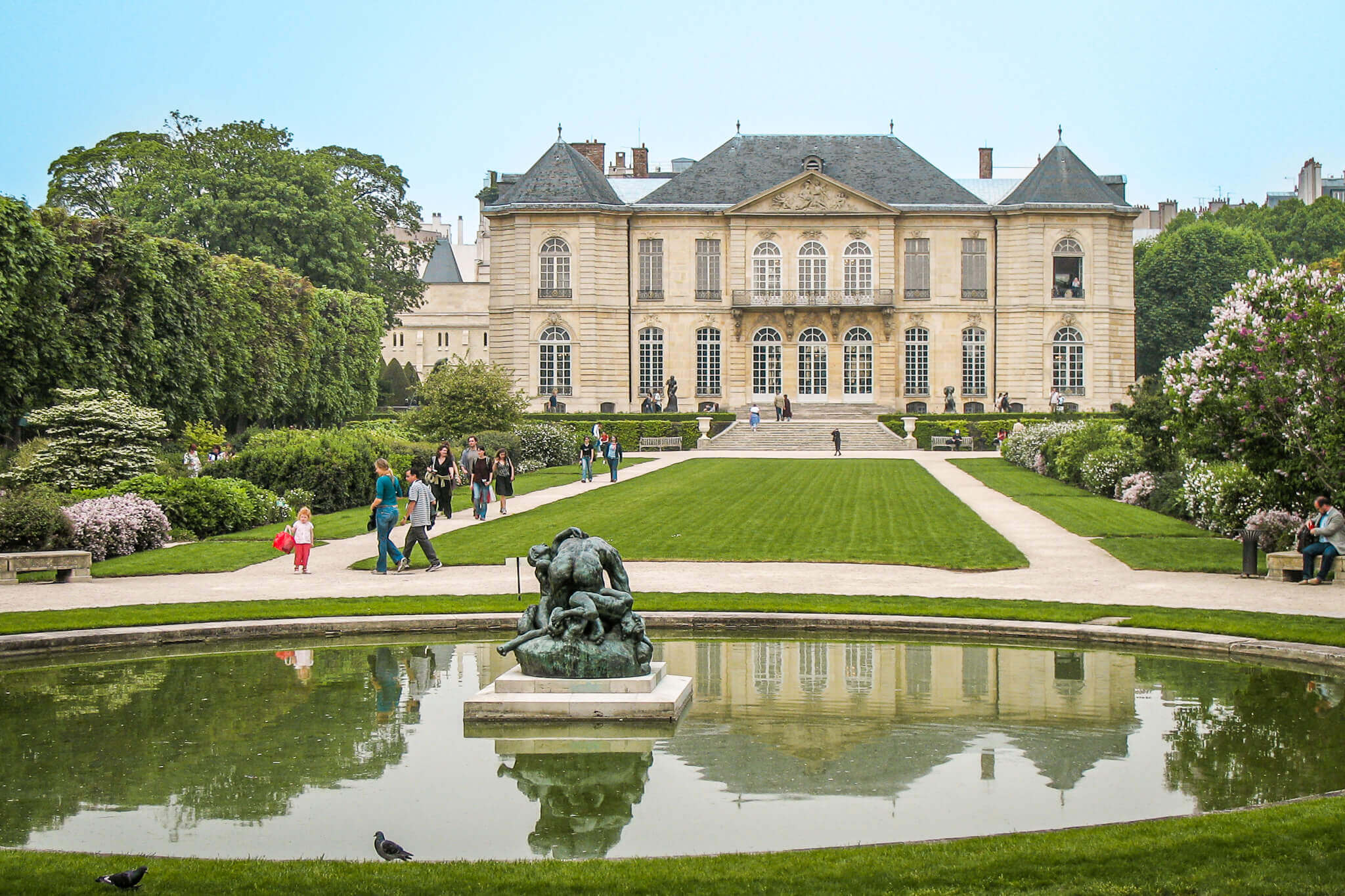
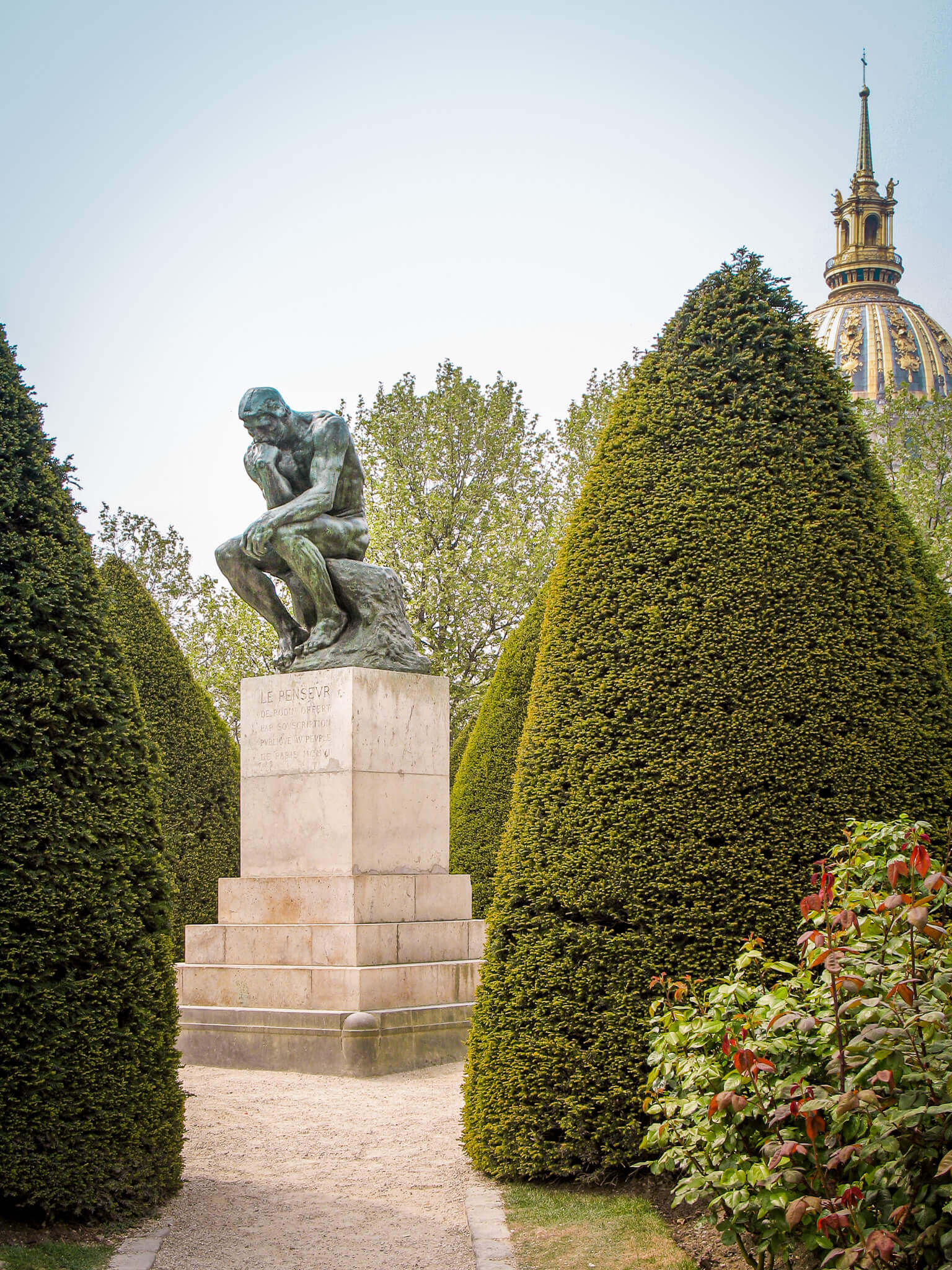
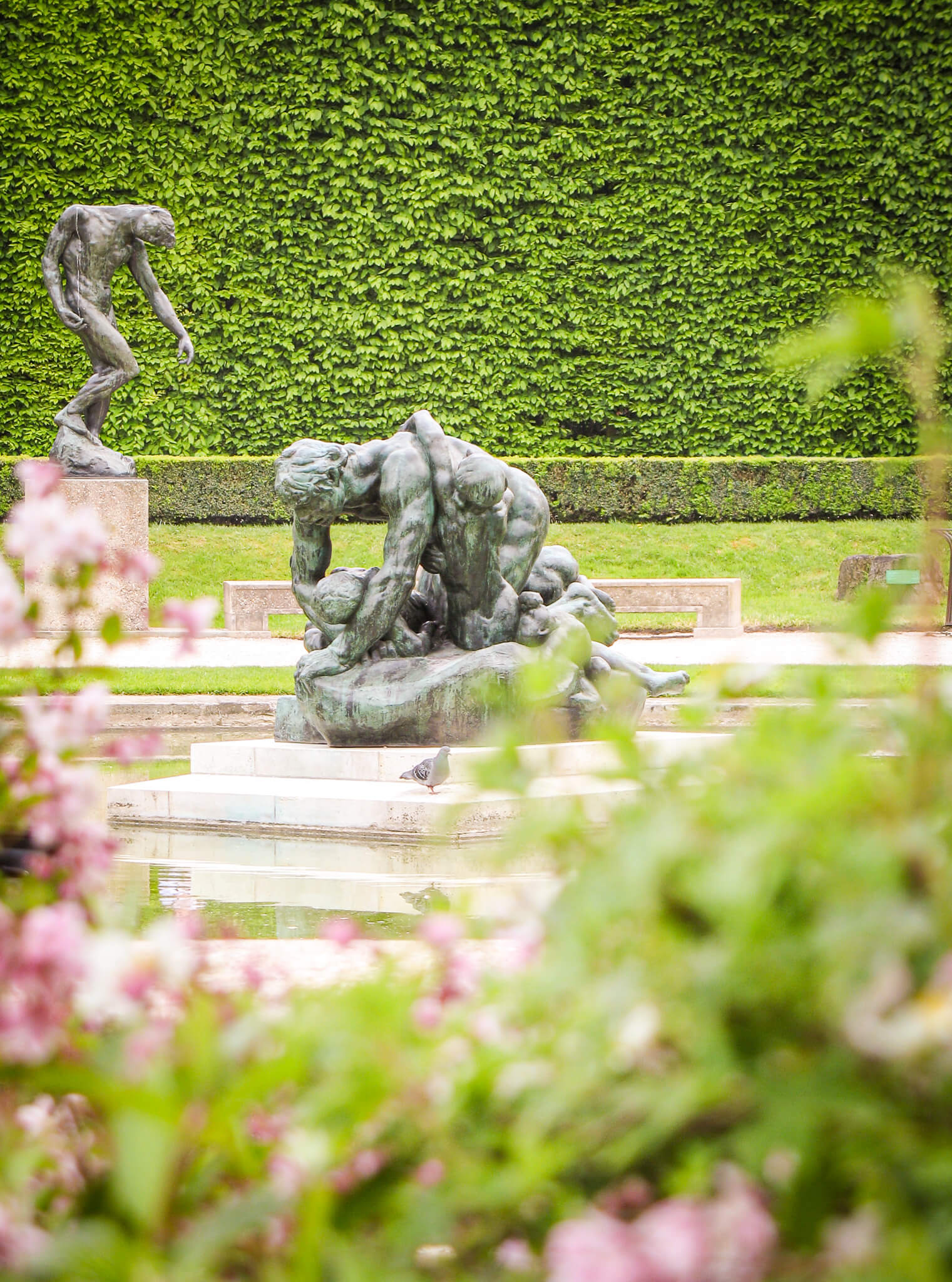
Musée Rodin contains thousands of sculptures and drawings from Rodin, including most of his significant works of art, including The Thinker and The Gates of Hell. Many of the sculptures are displayed in a carefully manicured garden, while other works are housed in Hôtel Biron, a large mansion that was later subdivided into lodgings and where Rodin rented several rooms to use as a studio and for storage (and he called for it to be converted into a museum of his work).
A simple grocery store lunch
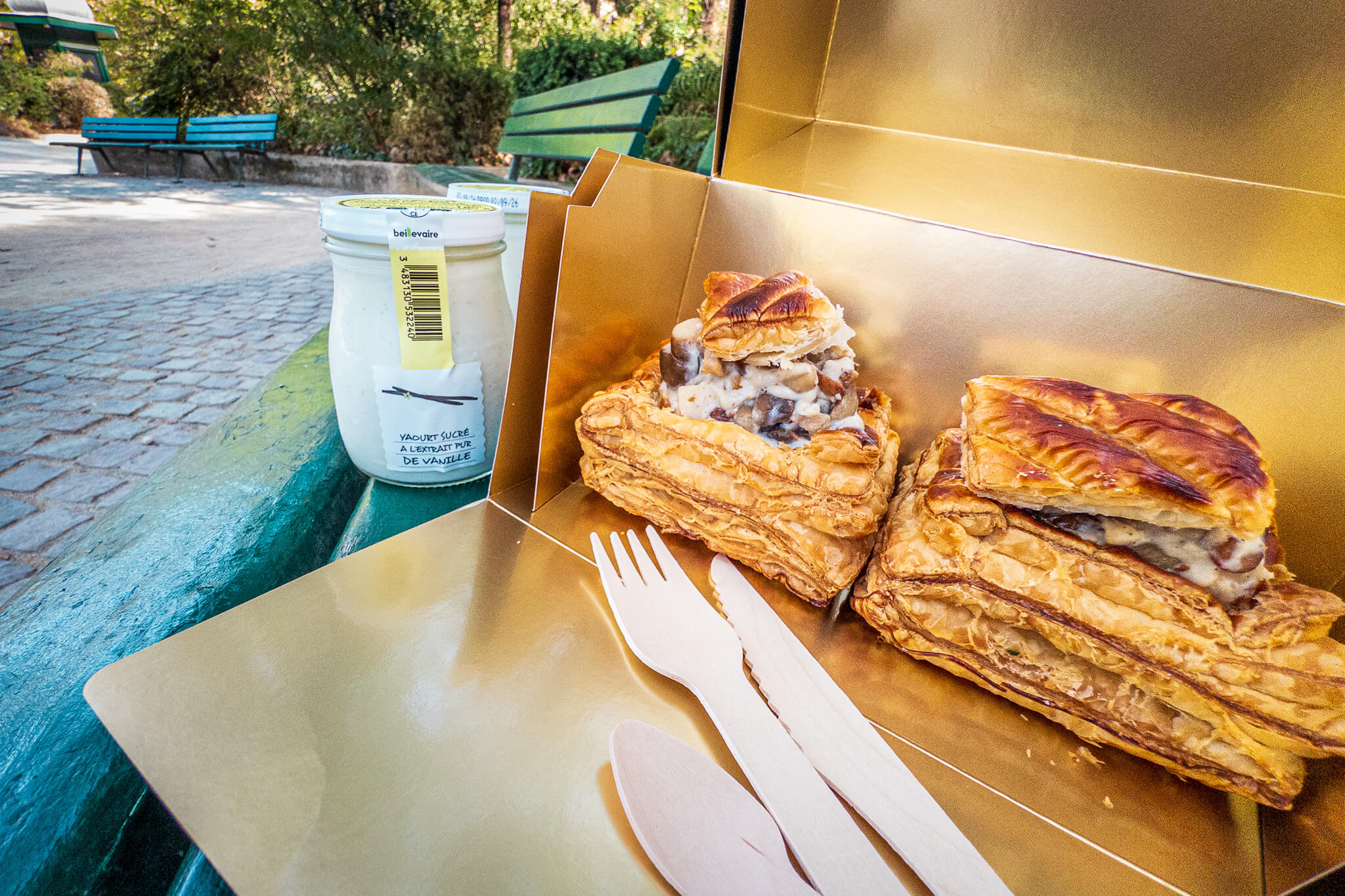
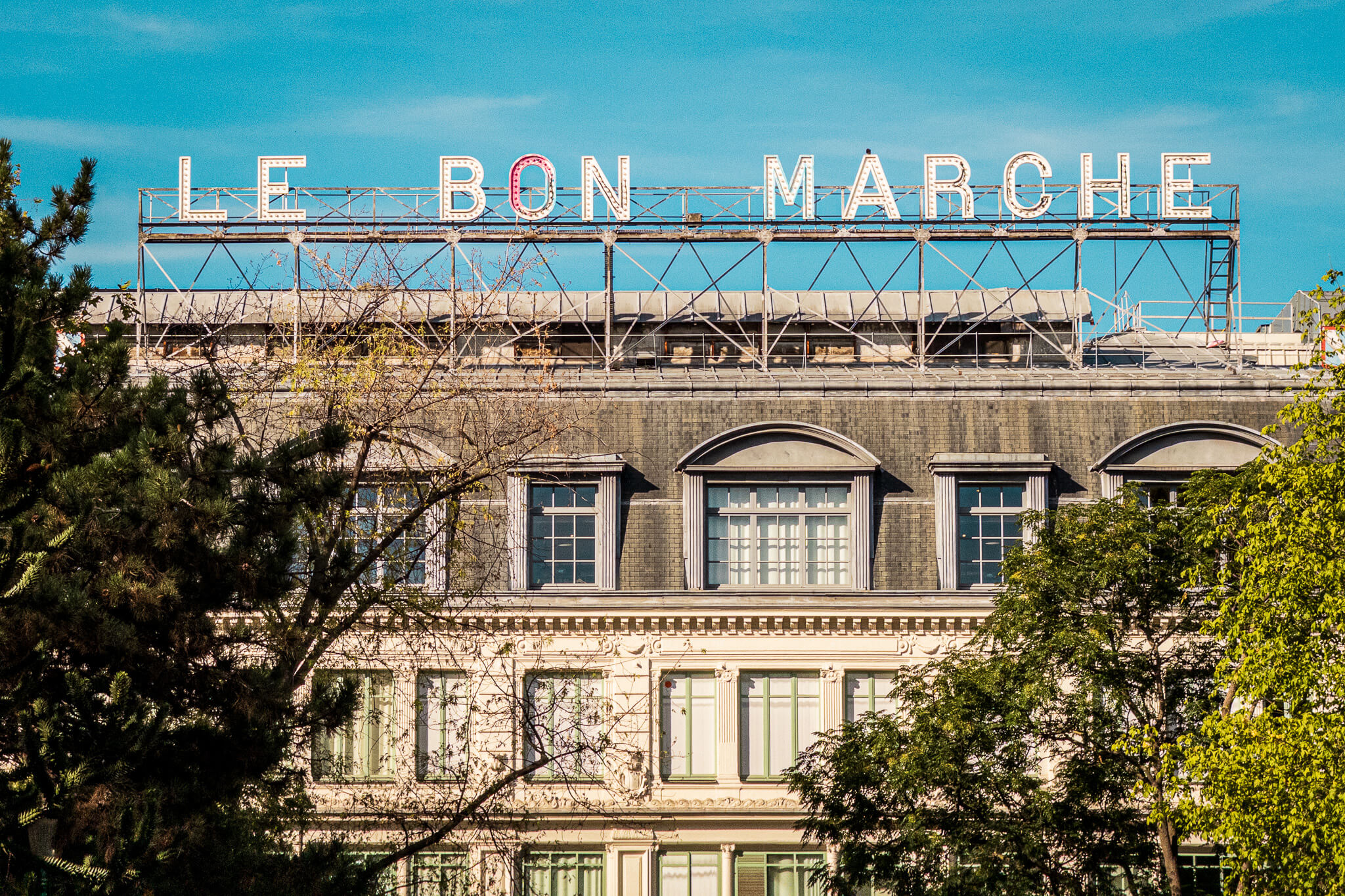
For lunch we made our way to La Grande Épicerie and Le Bon Marché department store. Le Bon Marché was founded in 1838 and is considered the world’s first modern department store, which ended the tradition of haggling by clearly displaying prices and let customers browse without feeling pressured to buy. La Grande Épicerie began in 1923 as a food market in Bon Marché (also a first for a department store), before expanding to the dedicated building next door the following year.
Today, La Grande Épicerie is a premium food destination, with some 30,000 upscale products for sale, as well as several bakeries and prepared food counters, and a handful of full-service sit-down restaurants.
We opted for a simple picnic lunch consisting of a chicken vol-au-vent and artisanal vanilla yogurt, but we plan to return to try one of their restaurants. After eating, we took some time to browse the furniture and housewares section of Bon Marché (which was surprisingly thriving and low-pressure for a premium department store).
More unique architecture
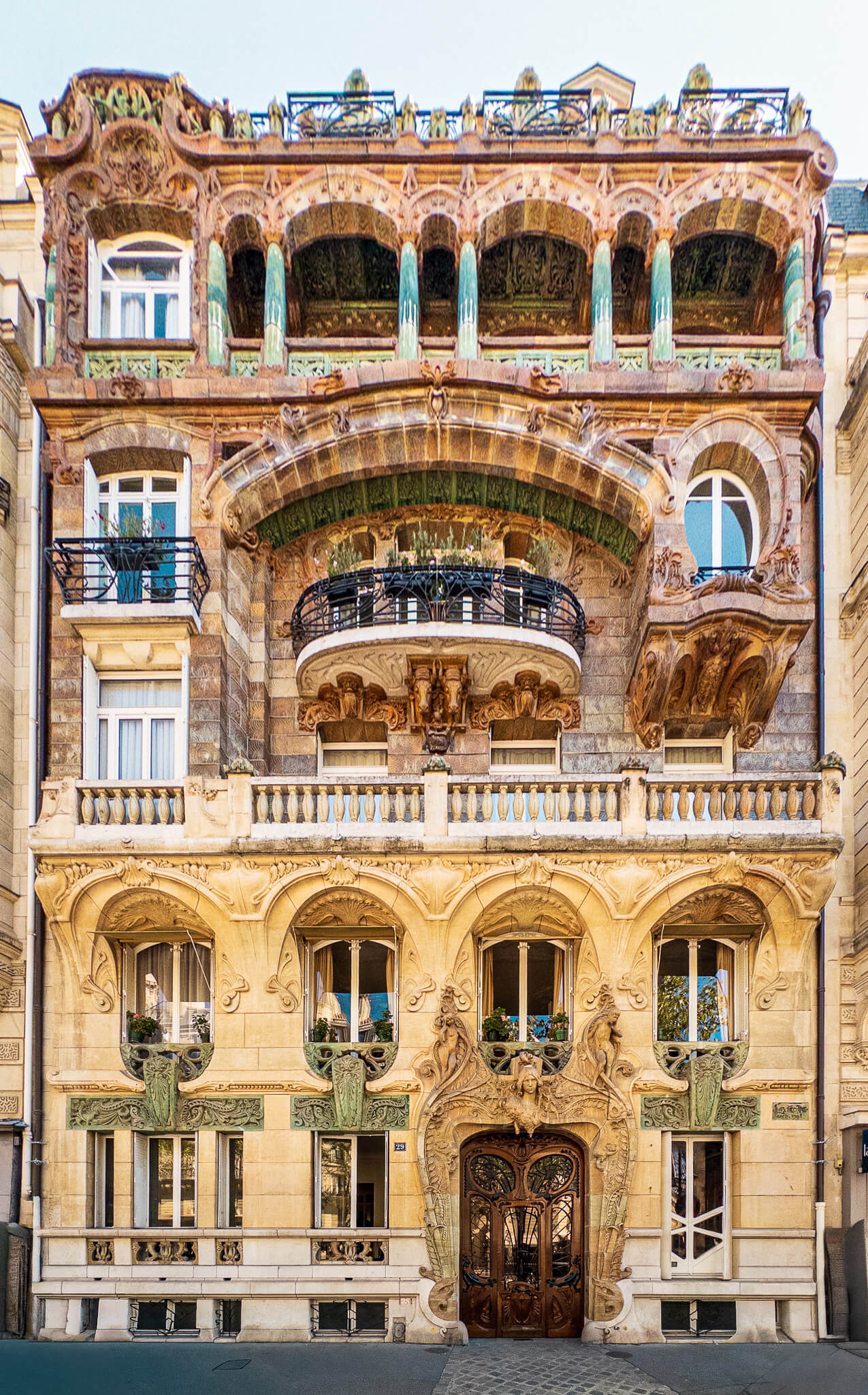
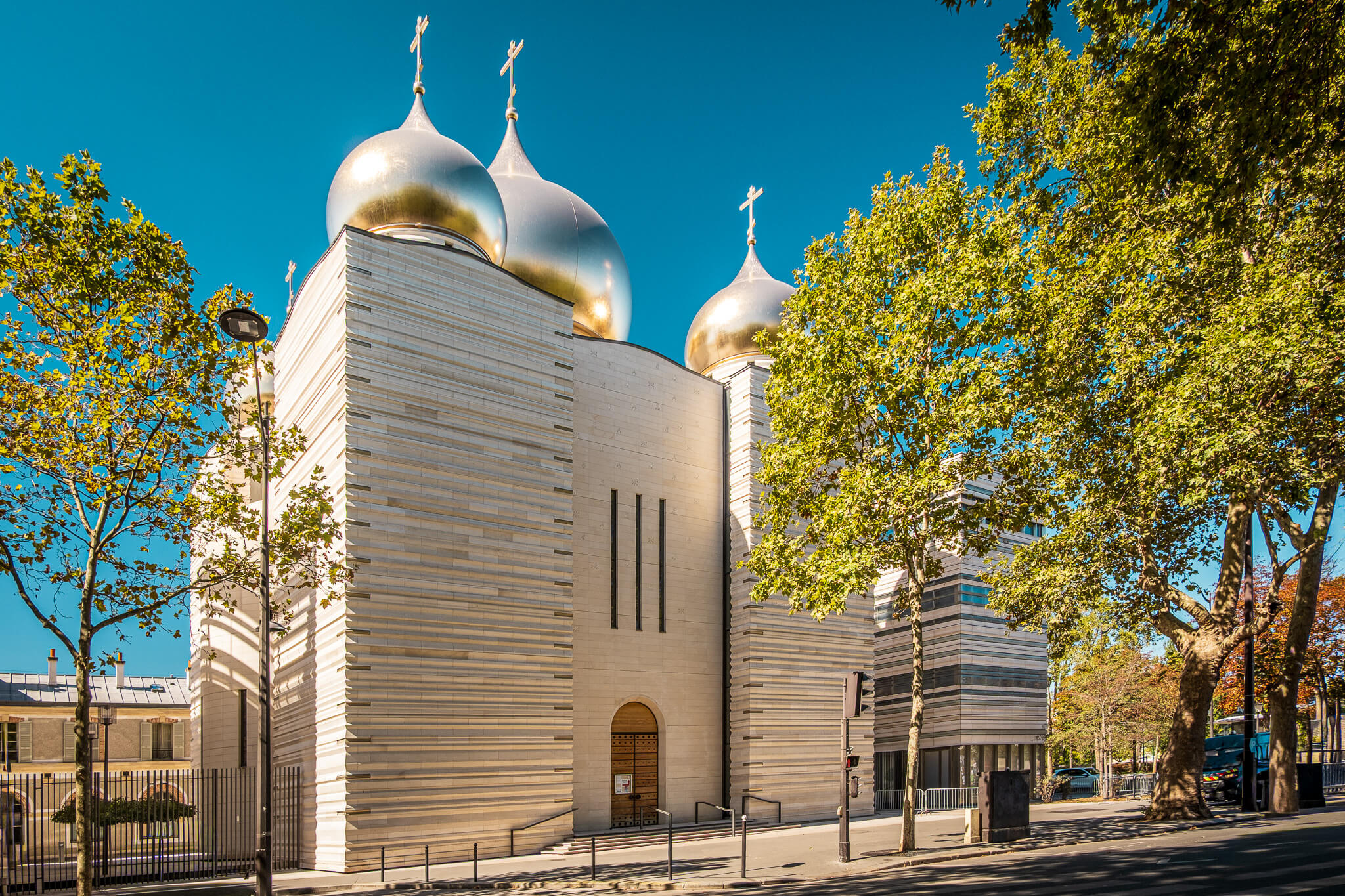
Some wandering through the 7e arrondissement led us to stumble upon some unique architecture.
The Lavirotte Building is an apartment building completed in 1901 with a lavish Art Nouveau façade. The building won a Paris façade competition in 1901, which incentivized architects and designers to create new and original buildings.
The Holy Trinity Cathedral is a Russian Orthodox Church that is a beautiful blend of traditional Russian architecture with the onion domes and contemporary French architecture.
Exploring Paris underground
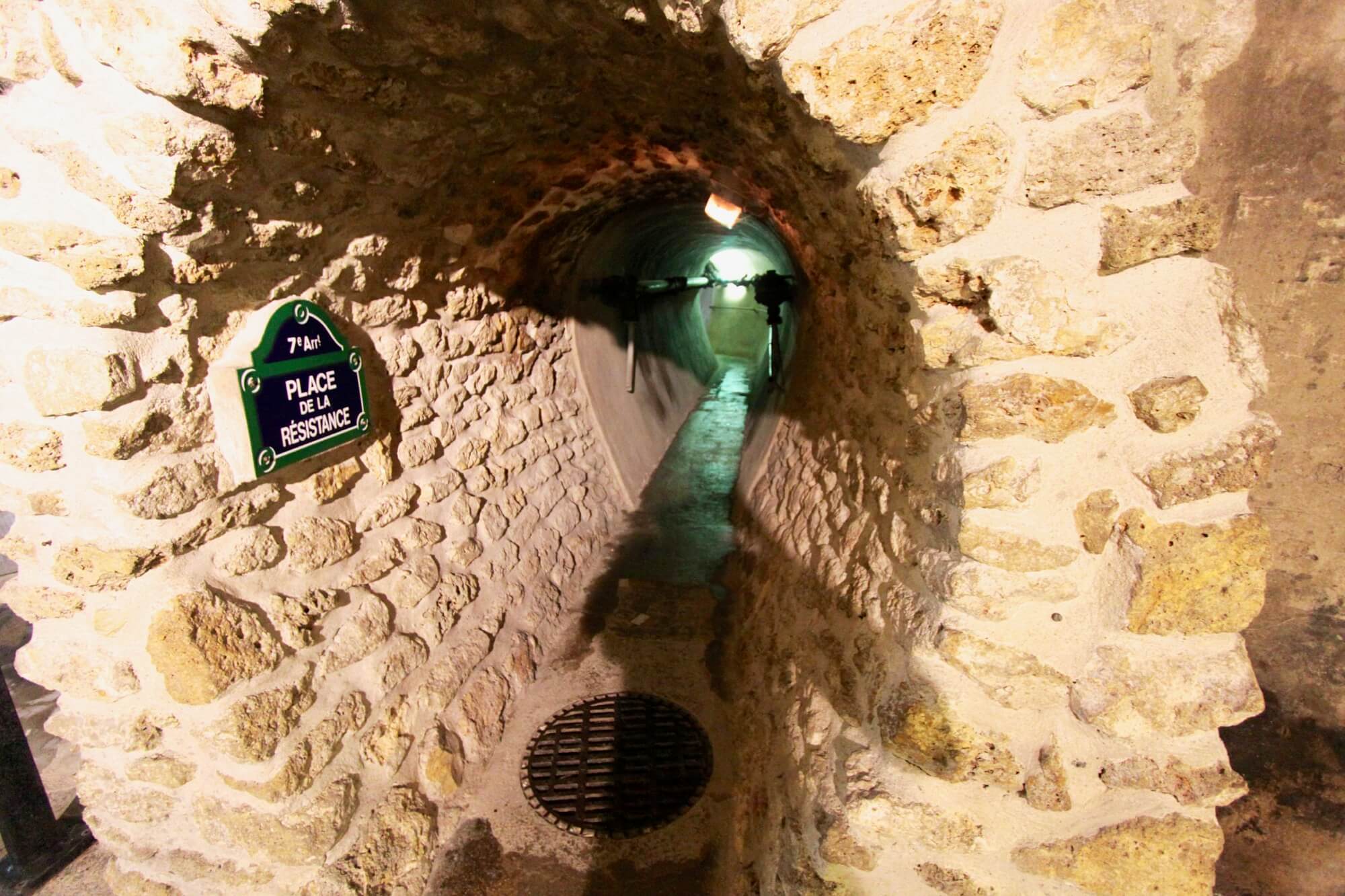
If you’re looking to explore a more unusual (and underground) side of Paris, head over to the Musée des Égouts de Paris. The museum literally takes you underground into some historic sewers of Paris. As they run beneath city streets, you’ll actually see street signs along the sewer tunnels, letting workers navigate as they would on the surface. (And no, the smells were not overwhelming.)
The 7e arrondissement of Paris is packed with things to see and do. If you’re not careful, you’ll find yourself lost in the crowds around the Eiffel Tower or Musée d’Orsay. But with a bit of careful planning and early morning visits, you can easily avoid the largest crowds. Share your tips for the 7th in the comments below.
 Scuba Duo
Leave a comment