
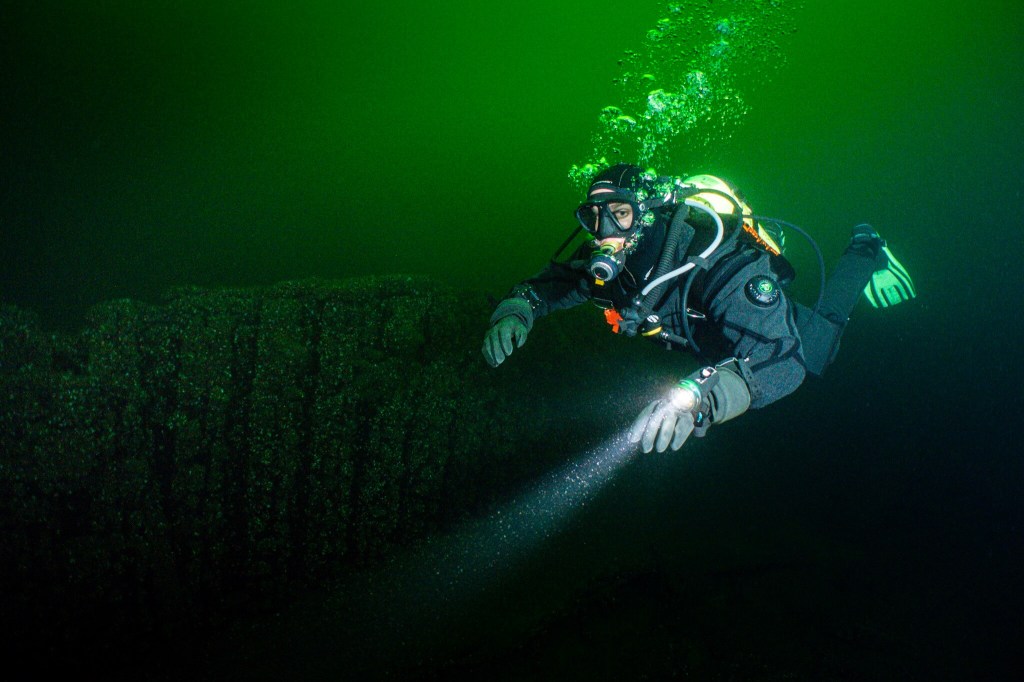
In cold water, nothing beats diving in a drysuit. There are certain dives I wouldn’t even contemplate doing without a drysuit and cozy undergarments.
I often see divers, excited about their new, expensive drysuit—or more frequently, in a bid to assert superiority over other divers—start diving almost exclusively in the drysuit, even when the water temperature doesn’t necessitate it.
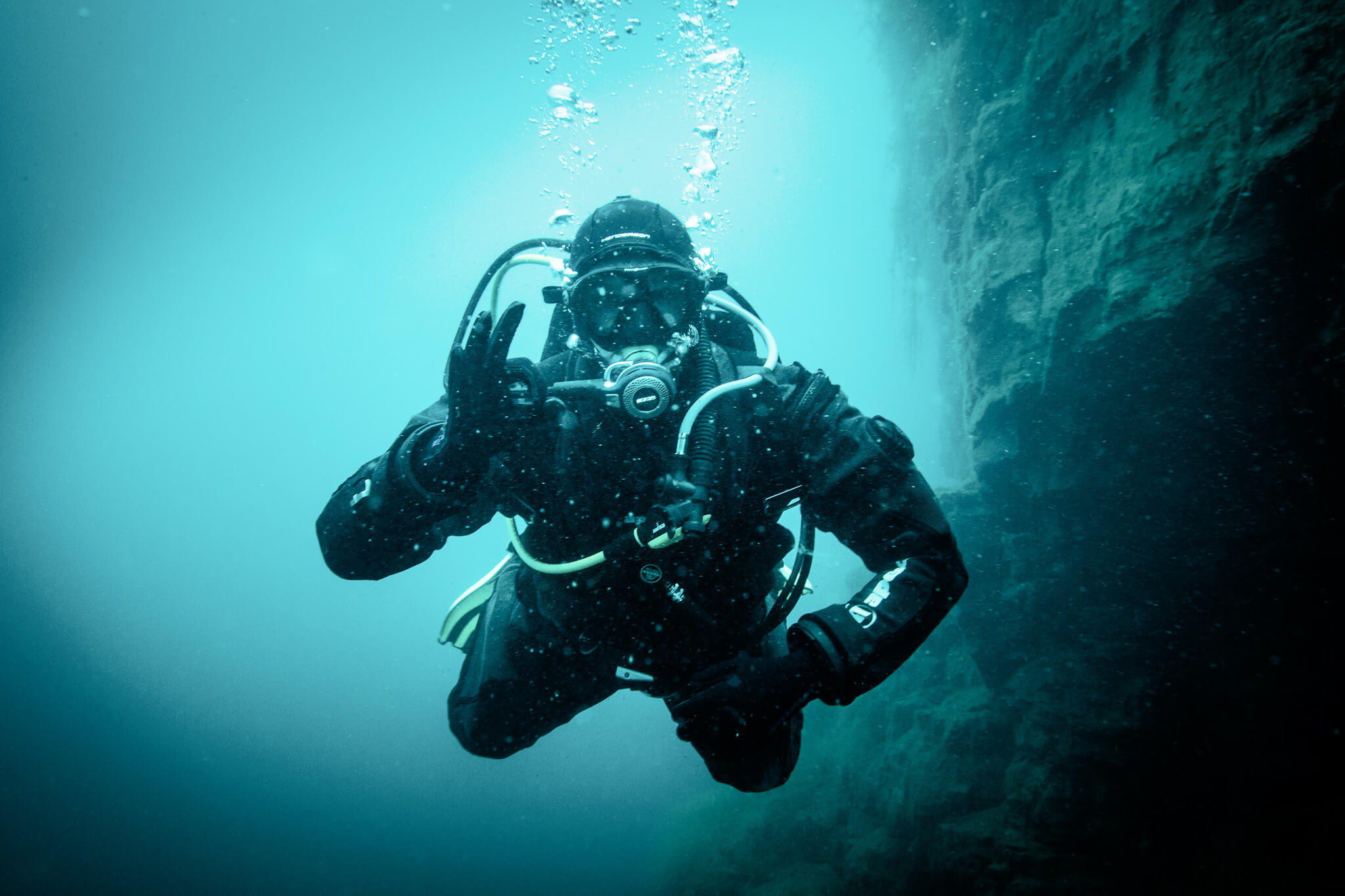

Drysuits are quite flexible—and that’s great!
Two major benefits of a drysuit (over a wetsuit) are:
- Adaptable to nearly any water temperature, by adjusting the thermal undergarment layers
- Accommodates fluctuations in body size (within reason)
But there are some pretty significant drawbacks to drysuit diving that divers should understand before going all-in.
Contents
Price
For the price of a good dry suit (C$3,000-$4,000), you could buy 3-4 top-of-the-line semi-dry 7mm wetsuits (like the Henderson Aqualock). And that’s not even including the price of thermal undergarments, which can also match the cost the price of a decent wetsuit.
Risk of leaks
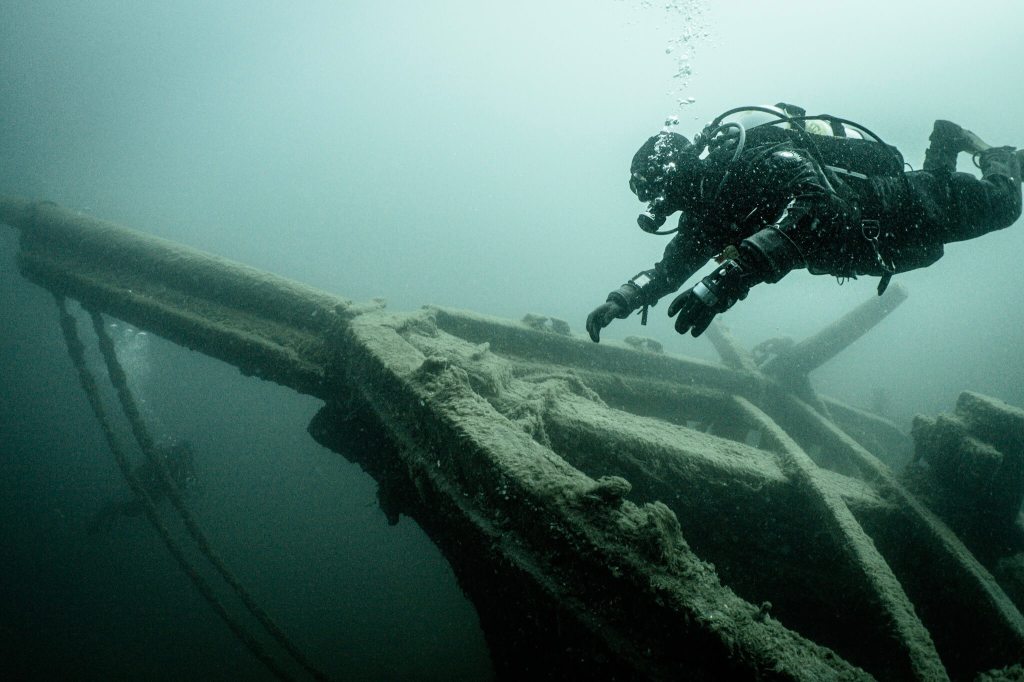
It’s rare that I dive with drysuit divers and there isn’t at least one person who experiences a leak or flood. Sometimes this is one-off user error, but all too often, it’s an issue that requires sending the suit to the manufacturer for repairs. While most drysuit manufacturers make good on any defects, you’re without a suit for months. I’ve also seen some divers receive a complete lemon of a drysuit that takes upwards of a year to sort out.
And even with a good drysuit, you always need to be on your guard to ensure you don’t snag the suit on anything or pierce it with something sharp. Even a small hole makes a drysuit useless until it’s properly repaired. With a wetsuit, a small hole is pretty inconsequential (although it’s always best to repair it to prevent the hole from growing).
It’s a drag
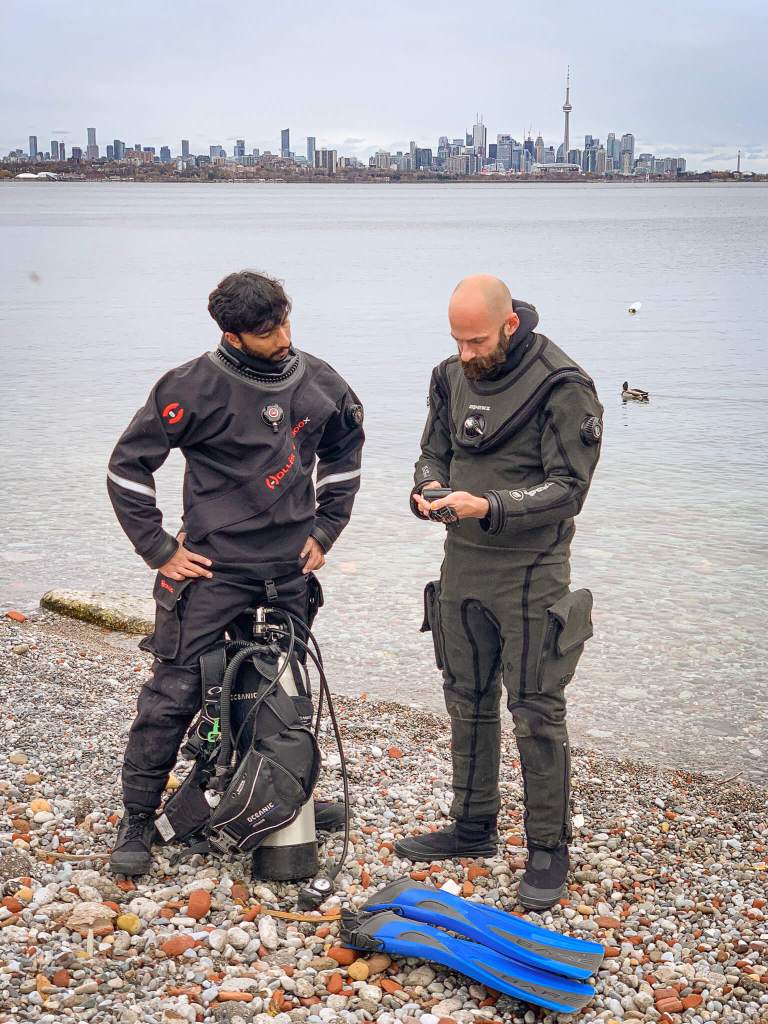
Literally. Don’t underestimate the amount of drag that most drysuits create, making swimming more laboursome (especially surface swims). You’re much more streamlined in a sleek wetsuit.
You also need more lead weight in a drysuit, so entries and exits are more physically demanding. And depending on your BCD, it may not accommodate the lead you require in the integrated weight pockets and you may need to use a weight belt.
For boat diving, these considerations aren’t much of a concern. For shore dives with surface swims, this should be taken into account.
Hands are usually the weakest link
For most divers, your hands are what get the coldest. Even in a drysuit with a dry glove system, your hands will eventually get cold. And you have to be diligent about donning them correctly, and ensure you don’t pierce them (like on a shipwreck or sharp rocks).
Whether diving in a drysuit or wetsuit, it’s worth thinking about whether a dry glove is worth the hassle. Or if a good 5mm wet glove would suffice (especially one that’s reinforced with kevlar).
Bathroom breaks
Whether or not they like to admit it, divers in a wetsuit have the freedom to urinate while diving. On a 2-tank dive outing (and when teaching scuba courses), I’ll take advantage of this on a few occasions.
In a drysuit, this becomes more complicated. Yes, there are options (ie. p-valves), but I’d argue none of them are worth the hassle (at least not for recreational divers).

Now don’t get me wrong… Drysuits do have their time and place, and some dives are simply not possible without a drysuit. And I do actively use a drysuit and teach the PADI Drysuit Diver specialty course. But I firmly believe in using the right tool for the job, and for some dives, a wetsuit is the right tool. I also believe that divers considering the investment in a drysuit should understand both sides of the equation.
Let me know what you think about drysuit diving in the comments!
 Scuba Duo
Leave a comment